Table of Contents
For many homeowners, garage door replacement feels intimidating, not because of the cost, but because of the unknown. A garage door is one of the largest moving parts in a home, so it’s natural to worry about safety, noise, mess, and how long access to the garage might be limited. When expectations aren’t clear, even a routine project can feel overwhelming.
There’s also a common misconception that garage door replacement is chaotic or highly disruptive. In reality, professional replacement follows a structured, step-by-step process designed to be efficient, safe, and predictable. Knowing what happens before, during, and after installation takes much of the stress out of the experience and makes planning far easier.
In Kingston, NH, seasonal weather and changing conditions can also influence timing. Homeowners may hesitate during colder months when planning replacement garage doors, while business owners often focus on minimizing downtime when scheduling commercial garage door replacement. Understanding how professionals manage workflow, safety, and timing helps make those decisions with confidence.
This guide walks you through the full garage door replacement process from start to finish. You’ll learn:
- What happens before installation begins
- How to remove the old garage door safely
- How the new door and hardware are installed
- What testing and safety checks are performed
- What homeowners experience on replacement day
- What happens after installation is complete
Everything is explained in clear, non-technical language so you can understand the process without feeling overwhelmed.
Before Garage Door Replacement Begins
A successful garage door replacement starts well before installation day. Careful preparation and planning play a major role in safety, efficiency, and long-term performance.
For help deciding whether replacement is the right step for your situation, our guide “When Is Garage Door Replacement the Right Choice?” offers clear, homeowner-focused insight.
Initial Inspection and Site Assessment
Before any work begins, the garage door opening and the existing system are carefully evaluated. This inspection helps identify potential issues early and ensures the new door will operate properly. During this step, technicians typically:
- Measure the garage opening to confirm sizing
- Inspect the existing door, tracks, and hardware
- Check for structural damage or alignment issues
- Identify safety concerns related to springs or cables
This early assessment helps prevent surprises during installation and ensures the correct door and hardware are selected.
Confirming the Door Type and Installation Plan
Once measurements are confirmed, the installation plan is finalized. This includes selecting the right door and determining how the replacement will be completed. Key considerations often include:
- Standard versus replacement garage doors
- Custom garage doors and design requirements
- Residential garage door replacement versus commercial needs
- Insulation, weight, and durability requirements
Commercial garage door replacement may require additional planning due to heavier doors, higher usage demands, or safety regulations.
Preparing the Workspace for Safety
Before tools come out, the workspace is prepared to protect both people and property. Preparation typically includes:
- Clearing the garage area
- Protecting nearby walls or surfaces
- Securing tools and equipment
- Setting up safety precautions
This step ensures the garage door installation can move forward smoothly and safely once work begins.
Removing the Old Garage Door Safely
Removing an existing garage door is one of the most critical parts of the replacement process. Garage doors rely on high-tension components to support their weight, which means this step requires experience, careful planning, and strict attention to safety.
If you’re unsure whether your door has reached this point, our article “What Signs Indicate Garage Door Replacement Is Needed?” helps identify the most common warning signs.
Why Old Garage Door Removal Requires Caution
Garage doors are heavier than they appear and are supported by springs and cables under extreme tension. When these components are handled incorrectly, the risk of injury or damage increases quickly. Common risks during removal include:
- Sudden release of spring tension
- Uncontrolled movement of the door
- Falling panels or loose hardware
Because of these risks, garage door replacement is not considered a do-it-yourself project and should always be handled by trained professionals.
Step-by-Step Door Disassembly
To maintain control and safety, removal follows a structured sequence rather than happening all at once. Typical steps include:
- Disconnecting the garage door opener
- Safely releasing spring tension
- Removing cables and rollers
- Taking down door panels one section at a time
- Detaching tracks and remaining hardware
Each step is performed carefully to prevent sudden movement, imbalance, or damage to the surrounding structure.
Disposal and Cleanup
Once the old door is removed, the area is cleared and prepared for installation. This stage usually involves:
- Removing old panels and hardware from the workspace
- Cleaning the garage opening
- Inspecting the structure one final time
Proper cleanup ensures the new garage door installation begins on a clean, stable foundation, which is especially important when installing custom garage doors that require precise alignment.
Installing the New Garage Door System
With the old door removed, installation of the new system can begin. This stage focuses on precision, balance, and long-term reliability.
For a closer look at timelines and what to expect, our guide “How Long Does Garage Door Replacement Take?” breaks it down clearly.
Installing New Tracks and Hardware
Tracks and hardware form the foundation of the system and must be installed correctly for smooth operation. This step includes:
- Mounting vertical and horizontal tracks
- Securing brackets and supports
- Aligning all components for proper movement
Accurate alignment at this stage helps reduce wear and improve performance over time.
Setting Panels or Door Sections
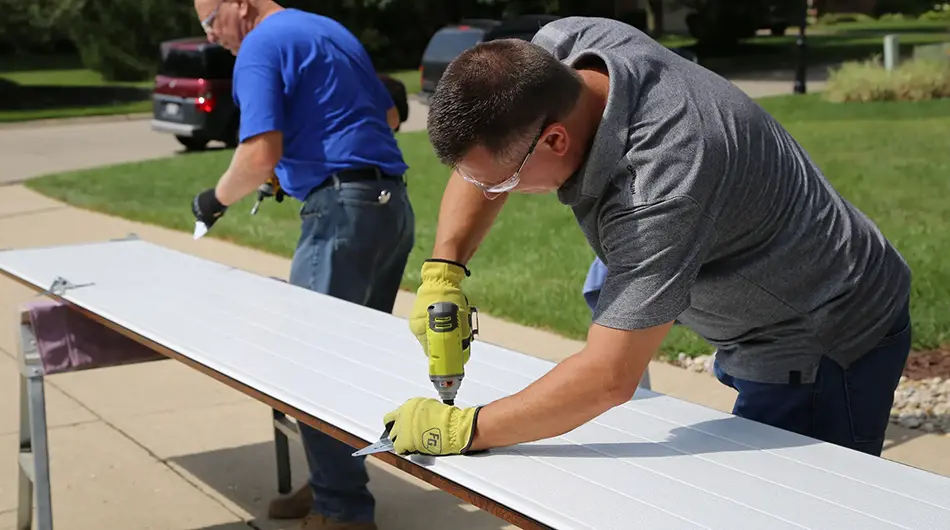
Door panels or sections are installed in a specific order to maintain balance and alignment. This process typically involves:
- Placing and securing the bottom section
- Adding panels upward in sequence
- Checking spacing and alignment between sections
Each panel must be positioned correctly to ensure even weight distribution throughout the system.
Installing Springs, Cables, and Rollers
Springs and cables do most of the heavy lifting, which makes proper installation especially important. This step includes:
- Installing torsion or extension springs
- Routing and securing lift cables
- Installing rollers to allow smooth movement
Correct spring tension allows the door to open and close with minimal effort and strain.
Garage Door Installation Differences by Door Type
Not all garage doors are installed the same way, and the process can vary based on design and usage. Differences may include:
- Insulated doors that require additional support
- Custom garage doors that need precise adjustments
- Commercial doors that rely on reinforced hardware
Each door type requires a tailored approach to ensure safe, reliable operation and long-term performance while also reducing the likelihood of future garage door repairs.
Opener Setup and System Integration
Once the door is fully installed, attention shifts to the opener and control systems. This stage connects the mechanical components to the electronics that allow the door to operate safely and reliably.
Reconnecting or Replacing the Opener
The opener may be reused or replaced based on its condition and compatibility with the new door. This part of the process may involve:
- Reconnecting an existing opener
- Installing a new opener when an upgrade is needed
- Adjusting opener settings to match the door’s weight and balance
Upgrading the opener during garage door replacement often improves reliability and helps the system operate more smoothly.
Safety Sensor Installation and Testing
Modern garage door systems rely on safety sensors to help prevent accidents. This step includes:
- Installing photo-eye sensors near the base of the door
- Aligning sensors so they communicate correctly
- Testing auto-reverse functions to ensure proper response
Accurate sensor installation is essential for meeting current safety standards.
Smart Features and Controls
Many systems now include advanced features that require programming and setup. These may include:
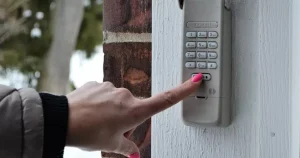
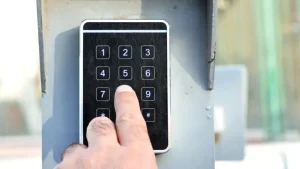
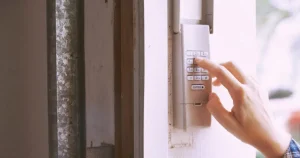
- Remote controls and wireless keypads
- Smart garage door apps
- Wi-Fi connectivity for remote access
All controls are programmed and tested to confirm dependable operation.
Testing, Adjustments, and Safety Checks
Before the project is considered complete, the entire system is carefully tested and fine-tuned.
Balance and Load Testing
Balance testing ensures the door moves smoothly without placing strain on the opener or hardware. This involves:
- Manually lifting the door to check resistance
- Adjusting spring tension as needed
- Confirming even weight distribution
Proper balance reduces wear on components and helps prevent future garage door repairs.
Operational Testing
The door is then tested under normal operating conditions. Checks include:
- Smooth opening and closing cycles
- Evaluation of noise or vibration
- Stress testing through repeated use
Any issues identified during testing are addressed immediately.
Final Safety Review
The last step confirms that all safety features function as intended. This includes:
- Testing safety sensors
- Checking emergency release functions
- Verifying the door closes securely
Only after all tests are completed successfully is the installation considered finished.
What Homeowners Experience During Replacement Day
Understanding what replacement day feels like helps set clear expectations and removes much of the uncertainty surrounding the process.
Noise, Access, and Disruption Expectations
Some noise is unavoidable during garage door replacement, especially when the old door is being removed and new hardware is installed. Even so, disruption is usually limited and well managed. Homeowners can expect:
- Temporary loss of garage access during installation
- Intermittent noise as work progresses
- Completion within a predictable timeframe
In most cases, full garage access is restored the same day.
Residential vs Commercial Replacement Experience
Residential garage door replacement is designed with convenience in mind, while commercial garage door replacement places a stronger emphasis on safety, coordination, and scheduling. Commercial projects may involve:
- Larger crews to handle heavier doors
- Longer work windows
- Coordinated downtime planning to reduce business impact
After Installation, What Happens Next?
The process doesn’t end once the new garage door is in place. Final steps focus on education, documentation, and long-term care.
Final Walkthrough and Education
Homeowners are shown how to operate and care for the new system with confidence. This includes:
- Safe operation of the door and opener
- Basic maintenance tips
- Guidance on reducing the need for future garage door repairs
Warranty and Documentation
Important paperwork is reviewed and provided so that everything is clear moving forward. This typically includes:
- Door warranty information
- Opener warranties
- Maintenance guidelines
Long-Term Care and Service Planning
Planning ahead helps protect your investment and extend the life of the system. Recommended steps include:
- Scheduling periodic inspections
- Watching for unusual sounds or movement
- Using professional garage door services when needed
Common Questions and Misconceptions About Garage Door Replacement
Garage door replacement often raises questions, especially for homeowners who haven’t been through the process before. Clearing up a few common misconceptions helps make the decision feel far more manageable.
Is Garage Door Replacement Dangerous?
Replacement does involve risks, mainly because of the weight of the door and the tension in the springs and cables. That’s why professional installation is so important. Trained technicians use proper tools, follow strict safety procedures, and control each step of the process to minimize risk.
Is Replacement More Disruptive Than Repair?
In many situations, replacement is actually less disruptive than repeated garage door repair visits. Ongoing repairs can lead to frequent downtime and ongoing inconvenience, while replacement is typically completed in a single, well-planned visit that restores reliability right away.
Does Replacement Solve Ongoing Problems?
Replacing the entire system often resolves recurring issues that repairs can’t permanently fix. When multiple components are worn or outdated, replacement addresses the root cause instead of treating symptoms one piece at a time.
Understanding the Process Makes Replacement Stress-Free
Garage door replacement is a structured and carefully managed process designed to be safe, efficient, and predictable. From the initial inspection through final testing, every step focuses on performance, safety, and long-term reliability. Knowing what happens before, during, and after installation removes uncertainty and allows homeowners to make confident decisions.
Whether you’re planning residential garage door replacement or coordinating a commercial project, understanding the process makes it easier to prepare and avoid surprises. Replacement is often far less disruptive than expected and delivers lasting improvements in safety, efficiency, and overall reliability.
If you’re considering garage door replacement in Kingston, NH, and want clear guidance from start to finish, we’re here to help. At Aloha Garage Doors, we provide professional garage door services with a focus on safety, quality, and clear communication. Contact us today or give us a call so we can walk you through the process and help you move forward with confidence.
Frequently Asked Questions
How long does the full garage door replacement process take?
Most garage door replacements are completed in a single day, with the installation itself taking several hours from start to finish.
Will we be able to use the garage during the replacement?
Access to the garage is temporarily limited during installation, but full use is usually restored the same day once testing is complete.
Is garage door replacement noisy?
Some noise is normal during removal and installation, especially when old components are taken down, but it’s temporary and short-lived.
Do we need to be home during installation?
Being home is helpful, though not always required, as long as technicians have clear access to the garage and opener, a point also emphasized by North Penn Now, which highlights how proper coordination helps installations run smoothly.
What parts are replaced during a full replacement?
A full replacement typically includes the door, tracks, springs, cables, and hardware, and the opener may also be replaced or upgraded if needed.
Can a garage door replacement fix recurring problems?
Yes. Replacement addresses system-wide wear and aging components that ongoing repairs can’t always resolve.
Is garage door replacement safer than repeated repairs?
In many cases, it is. A new system reduces safety risks caused by worn or outdated parts and improves overall reliability.
How soon can we use the garage after installation?
Most homeowners can use the garage immediately after final testing and safety checks are completed.
Does replacement include the opener?
It can. Openers may be reused or replaced depending on their condition and compatibility with the new door, a distinction also outlined by South Central USA, which explains when upgrading an opener makes the most sense.
How do we help homeowners prepare for replacement day?
We explain the process in advance and provide clear guidance so everything runs smoothly and stays on schedule.