Table of Contents
A garage door usually does its job quietly in the background, opening and closing without much thought until the day it doesn’t. One morning, it may refuse to open, start making loud grinding noises, or feel unstable and unsafe to use. When that happens, many homeowners find themselves facing the same question: should the garage door be repaired, or is it time to consider a full replacement?
It’s a bigger decision than it might seem at first. A garage door plays a major role in your home’s safety, security, energy efficiency, and overall curb appeal. In areas like Kingston, NH, where shifting temperatures and seasonal weather can be hard on building materials, garage doors often wear down faster than expected. Choosing the wrong option, continuing to repair a door that really needs replacing, or replacing one that could have been repaired, can lead to unnecessary costs and ongoing frustration.
This guide is designed to help you make that decision with confidence. We’ll break down the key signs that point toward garage door replacement, explain how replacement garage doors compare to garage door repair, highlight the benefits of installing a new door, and walk through what the replacement process typically involves. The goal is to give you clear, practical guidance that’s easy to understand, so you can decide what’s truly best for your garage door without feeling overwhelmed.
Do I Really Need Garage Door Replacement? Key Questions to Ask
Before committing to residential or commercial garage door replacement, it’s worth taking a step back and looking at the bigger picture. Asking a few simple questions can quickly bring clarity and help you decide whether repair is still reasonable or if replacement makes more sense.
For a deeper look at the warning signs, be sure to read our related guide, “What Signs Indicate Garage Door Replacement Is Needed?”
How Old Is Your Garage Door?
Most garage doors are designed to last between 15 and 30 years, depending on the materials, how often they’re used, and how well they’ve been maintained. When a door starts reaching the latter part of that range, replacement naturally becomes more likely, even if it technically still works. Older doors often lack the safety features, insulation, and overall durability that come standard with newer garage door installation options, which can affect both performance and comfort.
Are Repairs Becoming More Frequent or Costly?
An occasional garage door repair is normal and expected over time. However, when service calls start piling up within a short period, it’s usually a sign that the system as a whole is wearing out. Springs, cables, rollers, and openers tend to fail gradually, not all at once, and repeated fixes can quickly add up. There’s a point where continued repairs cost more than replacing the door and still don’t provide lasting reliability.
Is Your Garage Door Still Safe and Reliable?
Because a garage door is one of the largest moving components in your home, stability and reliability matter. If the door feels unsteady, struggles to open smoothly, or doesn’t close securely, safety becomes a serious concern, especially when the original garage door installation is outdated or no longer meets current standards. This is particularly important for households with children or pets, where older systems may fall short of today’s safety requirements.
If these questions raise doubts, the next step is to look more closely at the specific signs that indicate when garage door replacement is the right choice.
Clear Signs It’s Time to Replace Your Garage Door
Some warning signs make themselves known right away, while others develop slowly and are easy to overlook. Paying attention to these issues early can help you avoid sudden breakdowns and ongoing repair headaches.
If timing is a concern, our guide “How Long Does Garage Door Replacement Take?” walks through what to expect from start to finish.
Visible Damage That Goes Beyond Cosmetic Issues
Minor dents or surface scratches are usually just cosmetic and don’t affect how the door works. Structural damage is a different story. Warped panels, cracked sections, rotting wood, or heavy rust often point to deeper problems within the door itself. Once panels lose their shape or strength, the door can no longer move smoothly or stay properly aligned, which makes garage door repair far less effective over time.
Performance Problems That Keep Coming Back
When certain issues return even after repairs, it’s often a sign that the system is wearing out as a whole. This includes doors that:
- Open unevenly or feel off-balance
- Shake, jerk, or vibrate while moving
- Produce loud or unusual noises during operation
Repeated problems like these usually mean multiple components are failing together. In those cases, replacing the door often provides a more reliable long-term solution than continuing to fix individual parts.
Safety and Security Red Flags
Broken springs, frayed cables, or a door that won’t close all the way should never be ignored, regardless of whether the door is a standard model or one of many custom garage doors. These issues can cause the door to fall unexpectedly or leave your home exposed to intruders. Older garage doors may also lack modern safety sensors, which increases the risk of accidents, especially in busy households.
When several of these signs appear at the same time, investing in a new garage door is often the safer and more practical choice than continuing repairs.
Garage Door Repair vs Replacement: How to Make the Right Decision
Deciding between garage door repair and replacement isn’t always straightforward. The best choice depends on the overall condition of your door, how it’s been performing, and what you want from it in the long run. Looking beyond the immediate problem and considering the bigger picture often makes the decision much clearer.
To better understand the process itself, our article “What Happens During a Garage Door Replacement?” explains each step in detail.
When Repair Is Usually the Better Option
Garage door repair tends to make sense when the system is still in generally good condition, and the issue is limited in scope. Repair is often the right path when:
- The door is relatively new and hasn’t had ongoing problems
- Only one component has failed, such as a roller, sensor, or small piece of hardware
- The damage is minor and doesn’t affect the door’s structure or balance
In these situations, targeted repairs can restore safe, reliable operation without the expense of a full garage door installation.
When Replacement Makes More Sense
Replacement is usually the smarter option when problems go beyond a single part or a quick fix. This is often the case when:
- The door is old, outdated, or nearing the end of its lifespan
- Multiple major components are failing at the same time
- Panels are warped, rusted, cracked, or structurally compromised
- Safety features no longer meet current standards
Residential garage door replacement addresses these issues all at once, rather than patching them individually and risking future failures.
Cost, Value, and Long-Term Considerations
Although garage door repairs can seem less expensive upfront, repeated service calls can quickly add up without delivering lasting reliability. A new door often improves energy efficiency, reduces operating noise, and enhances curb appeal, all of which can increase home value. For businesses, commercial garage door replacement can also improve daily operations by reducing downtime and ongoing maintenance concerns. Focusing on long-term value, rather than short-term savings, is often the key to making the smartest decision.
Benefits of Replacing a Garage Door
Replacing a garage door delivers far more than smoother daily operation. A new door can improve safety, comfort, and the overall value of your home, making it a practical upgrade as well as a visual one.
Improved Safety and Peace of Mind
New garage doors are built with stronger materials, improved balance systems, and updated safety features designed to prevent sudden failures. These advancements reduce the risk of accidents caused by worn springs, unstable panels, or outdated hardware, allowing you to use your garage with greater confidence every day.
Better Energy Efficiency and Comfort
Modern garage doors often include built-in insulation that helps regulate temperatures inside the garage. This added insulation can make a noticeable difference in nearby rooms by reducing drafts and heat loss, which is especially helpful during cold New Hampshire winters. Over time, improved insulation can also contribute to better overall energy efficiency in the home.
Enhanced Curb Appeal and Home Value
A new garage door can dramatically change how your home looks from the street, instantly giving it a cleaner and more updated appearance. Many homeowners are surprised to learn that garage door replacement consistently ranks as one of the highest-return exterior upgrades, making it a smart investment for both everyday enjoyment and future resale value.
What to Expect During a Garage Door Replacement
Knowing what happens during a garage door replacement can take much of the stress out of the process. When homeowners understand the steps involved, it’s easier to prepare and feel confident about the work being done.
From Inspection to Final Testing
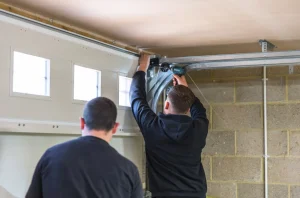
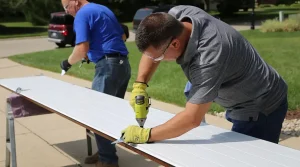
A typical garage door replacement follows a clear and methodical process designed to ensure safety and reliable performance. In most cases, the work includes:
- Inspecting the garage opening and existing hardware
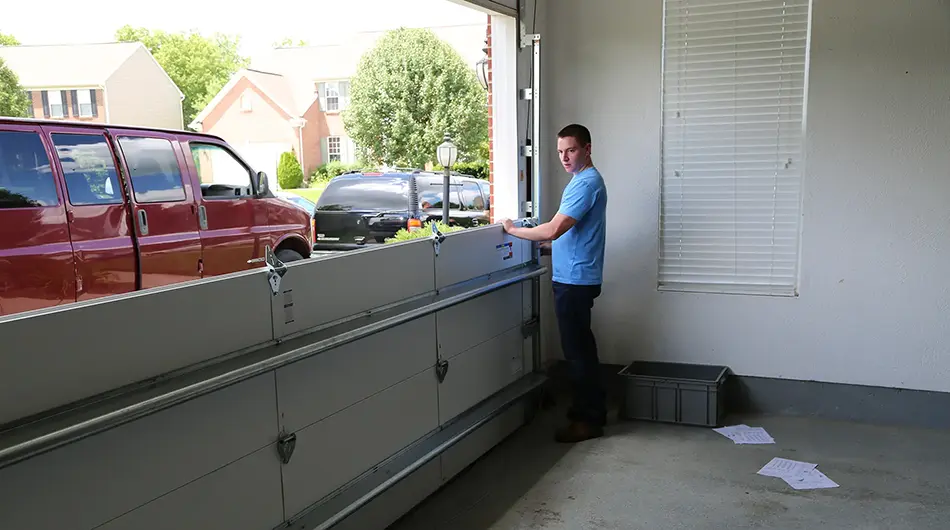
- Safely removing the old garage door and components
- Installing new tracks, panels, springs, and related hardware
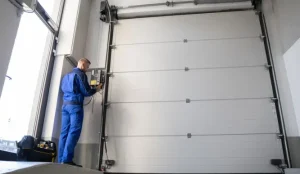
- Testing the door’s balance, safety sensors, and overall operation
Each step is completed carefully to make sure the new door functions smoothly and meets current safety standards.
What Homeowners Should Prepare For
Preparing the space ahead of time can help the replacement go more smoothly. Clearing the area around the garage door and planning for temporary loss of garage access during installation are usually all that’s required. Once the new door is in place, technicians typically walk homeowners through proper operation and basic maintenance, so you know exactly how to use and care for your new garage door.
When Garage Door Replacement May Not Be Necessary
Not every garage door problem calls for a full replacement. In many situations, repair is still a practical and cost-effective solution, especially when the door is otherwise in good condition.
Situations Where Repair Is Still Practical
Garage door replacement may not be needed when the issue is limited and doesn’t affect the door’s structure or overall performance. Repair is often the right choice if:
- The damage is minor or purely cosmetic
- Only one small component has failed
- The garage door is relatively new and still covered by a warranty
In these cases, targeted repairs can restore proper function without the expense or disruption of a full replacement.
Why an Honest Assessment Matters
A professional evaluation plays an important role in choosing the right solution. An experienced technician can identify whether a problem is isolated or part of a larger issue, helping you avoid unnecessary costs. In many situations, simple garage door repair is enough to restore safe, reliable operation without replacing the entire system.
Making the Confident Choice About Garage Door Replacement
Knowing when garage door replacement is the right choice ultimately comes down to safety, reliability, and long-term value. When you understand the warning signs, can clearly weigh repair versus replacement, and know what the replacement process involves, it becomes much easier to make a confident, informed decision for your home or business.
If your garage door is showing repeated problems, raising safety concerns, or simply reaching the end of its lifespan, replacement can often save time, money, and frustration over the long run. For both residential and commercial properties in Kingston, NH, addressing these issues early helps prevent larger failures and unexpected disruptions down the road.
If you’re not sure which option makes the most sense, we’re here to help. At Aloha Garage Doors, we offer honest recommendations, professional garage door services, and solutions tailored to your specific needs. Contact us today or give us a call to schedule an evaluation and take the first step toward a safer, smoother, and more dependable garage door.
Frequently Asked Questions
How long does a garage door usually last?
Most garage doors last between 15 and 30 years, depending on the material, how often the door is used, and how well it’s maintained.
Can I replace just part of my garage door?
In some situations, individual panels or hardware can be replaced. If the damage is structural or affects multiple components, a full replacement is usually the safer option.
Is garage door replacement disruptive?
In most cases, replacement is completed in a single day with minimal disruption to your routine.
How do I know if replacement is safer than repair?
When multiple parts are failing or safety features are outdated, replacement is typically the safer and more reliable choice, a point echoed by trusted home improvement resources like This Old House, which highlights the safety and performance benefits of upgrading an aging garage door system.
Should I replace the opener at the same time?
If the opener is old or not compatible with a new door, replacing both together often improves performance and long-term reliability.
Can garage door replacement improve home security?
Yes. New garage doors are built with stronger materials, improved locking systems, and modern safety features that help reduce break-in risks.
Is residential garage door replacement different from commercial garage door replacement?
Yes. Residential replacement focuses on safety, appearance, and insulation, while commercial replacement is designed for durability, frequent use, and larger openings. We help determine the right solution based on how the door is used.
Will a new garage door reduce noise?
In most cases, yes. New doors and updated hardware operate more smoothly and quietly, and insulated doors help reduce vibration and sound.
Do I need to replace my garage door if it still opens and closes?
Not necessarily. If the door operates safely and shows no major damage, garage door repair may be enough to restore reliable use, while structural issues or recurring problems often make replacement the better long-term solution, a distinction clearly outlined by Vocal Media in its comparison of repair versus replacement scenarios.
How do I prepare my garage for a replacement appointment?
Clear vehicles and personal items from the garage, make sure there is open access to the door and opener, and keep pets away from the work area to allow the replacement to be completed safely and efficiently.