A garage door spring does not announce when it is about to fail. One day the door works fine, and the next it refuses to move, often requiring broken garage door spring repair. Most of the time, that sudden failure was preventable. The springs on your garage door are under constant tension and go through hundreds of cycles every year. Without consistent care, that tension gradually destroys them from the inside out, eventually leading to broken garage door spring repair situations.
For homeowners in Kingston, NH, where seasonal temperature swings put added stress on metal components, maintenance is not just a good habit. It is the difference between a garage door that lasts and one that becomes an emergency repair on the coldest morning of the year.
This guide breaks down exactly what spring maintenance involves, why skipping it is a mistake, and what you can do right now to keep your system in good shape.
Why Garage Door Springs Need Regular Attention
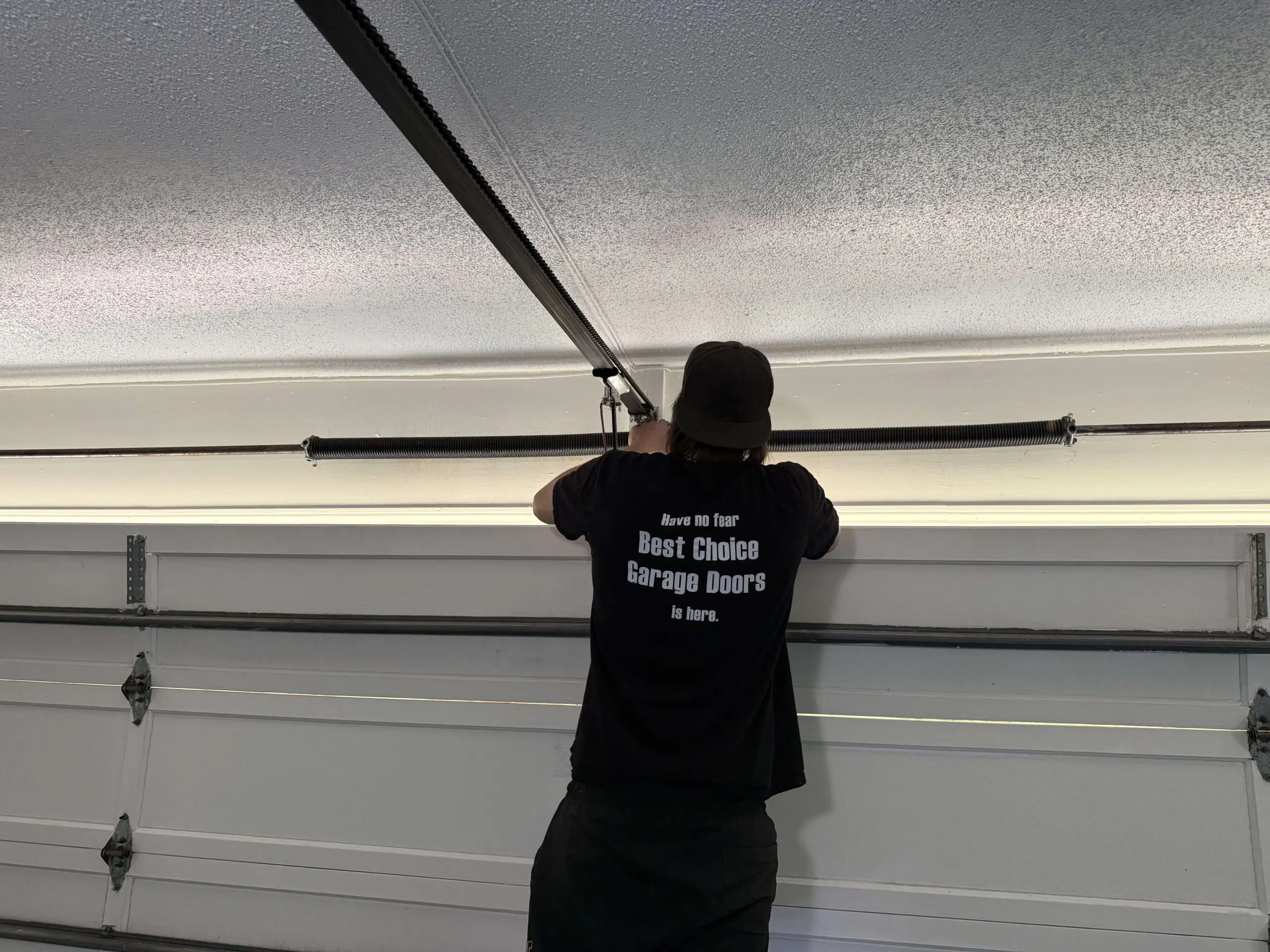
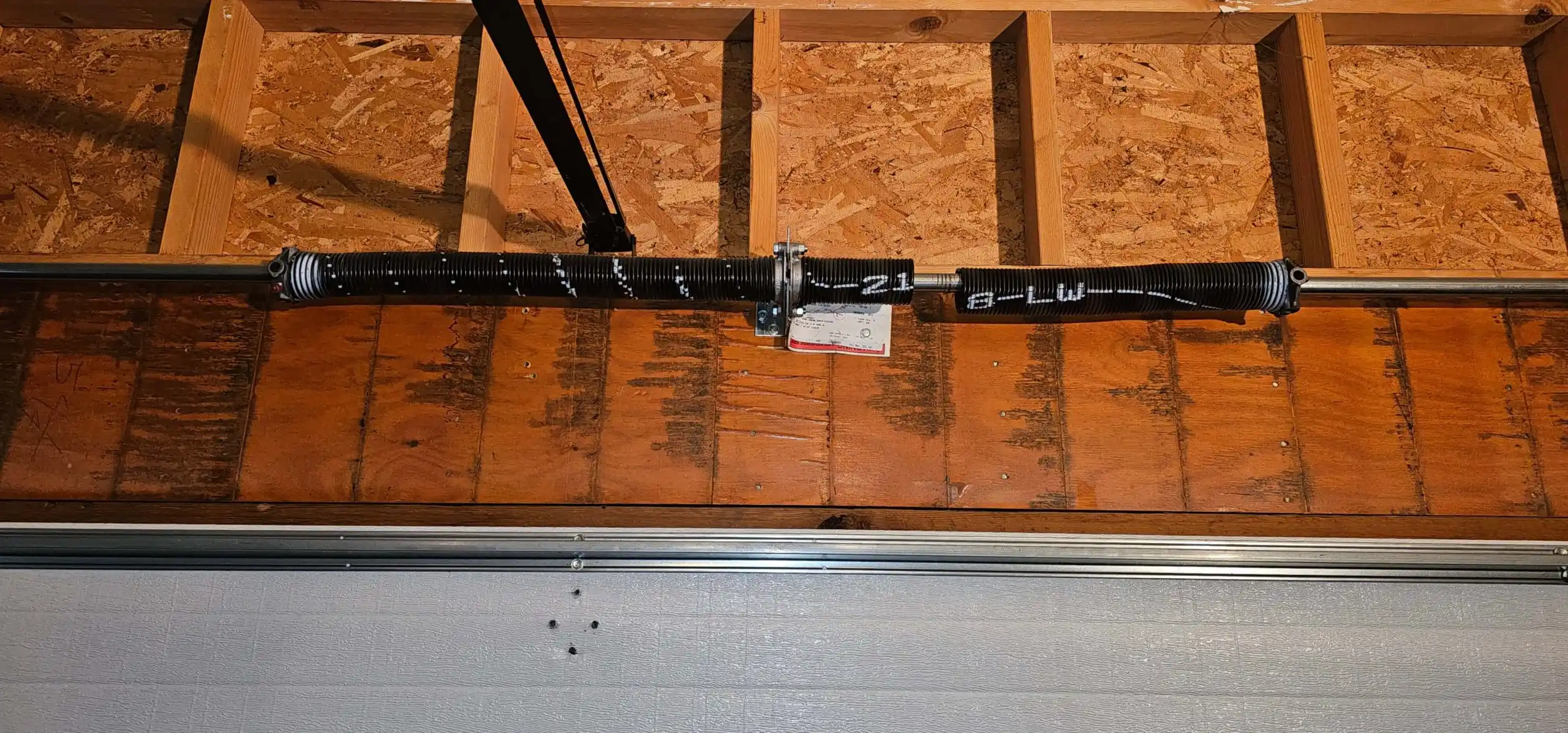
Garage door springs carry the full weight of the door every single time it opens or closes. A standard residential garage door weighs between 130 and 350 pounds. The springs absorb that load thousands of times over their lifespan. Without maintenance, the metal weakens, friction builds up, and the spring coils begin to degrade faster than they should.
The problem is that most homeowners never see the damage building up. Springs sit at the top of the door or along the side tracks, out of sight and out of mind. By the time a spring fails, the damage is already done. Maintenance gives you the ability to catch that damage early, extend the life of the spring, and avoid paying for an emergency service call.
Here is what happens when maintenance is skipped:
- Friction between dry coils accelerates metal wear and shortens the spring’s cycle life significantly.
- Rust forms on unprotected coils, weakening the metal and making the spring more likely to crack under tension.
- An unbalanced door forces one spring to carry more load than the other, wearing it out unevenly and unpredictably.
The Most Important Maintenance Tasks for Garage Door Springs
Spring maintenance does not require professional tools or advanced knowledge for most of the basics. A few consistent habits done two to three times a year will make a measurable difference in how long your springs last.
Lubricate the Springs Regularly
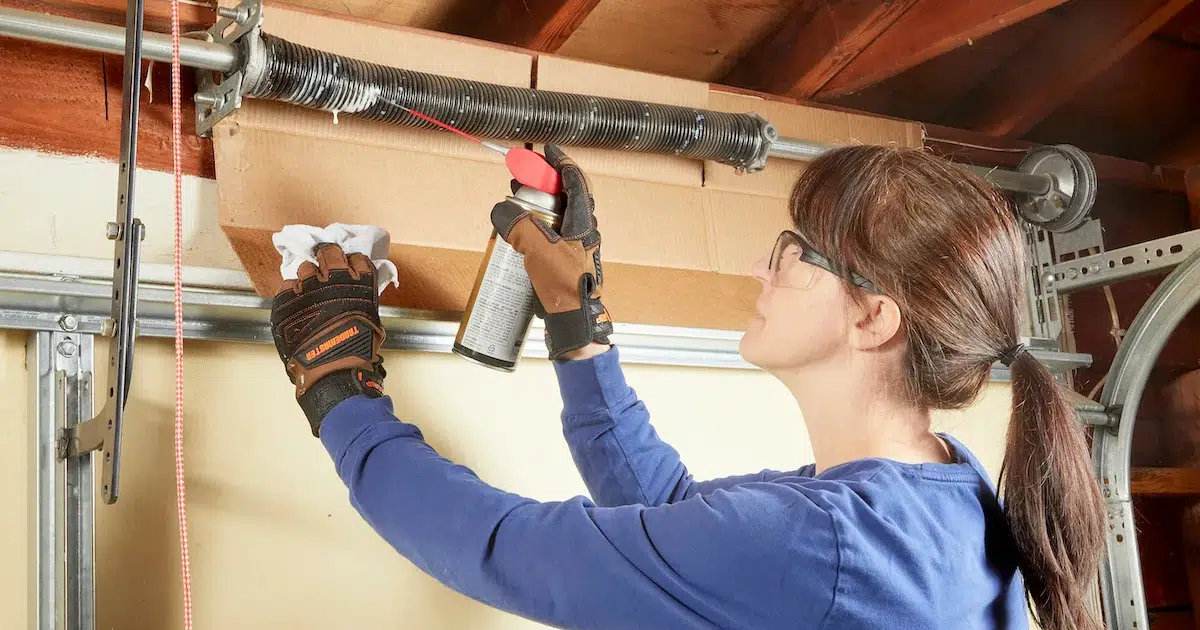
Apply a lithium-based or silicone-based lubricant directly to the spring coils two to three times a year. This reduces friction between the coils, slows down metal wear, and helps protect against rust. Avoid using WD-40 because it acts as a solvent and strips away the protective coating on the metal rather than lubricating it.
- Apply lubricant along the full length of the coil, not just the visible section.
- Wipe away any excess to avoid drips on the floor or door panels.
- Do this in spring and fall at a minimum, and add a third application during the winter months in colder climates.
Test the Door Balance
A door that is out of balance places uneven stress on the springs and wears them down faster. Testing the balance takes less than two minutes and should be done every six months.
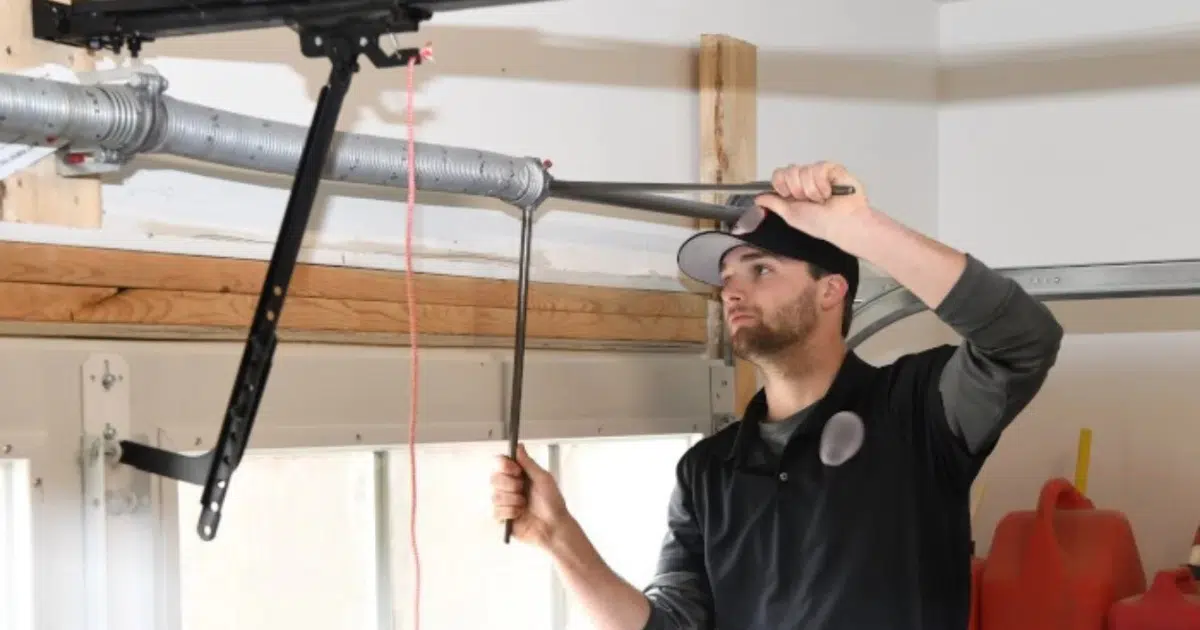
- Disconnect the garage door opener by pulling the red emergency release cord.
- Lift the door manually to about waist height and let go.
- A properly balanced door stays in place. If it drifts up or drops down, the spring tension needs adjustment by a trained technician.
Inspect for Rust and Wear
Visual checks are one of the most underused maintenance tools available to homeowners. A quick look at your springs every few months can reveal early warning signs before they become failures.
- Check the coils for rust spots, discoloration, or visible gaps between the coils.
- Look at the end cones where the spring attaches to the hardware for signs of cracking or separation.
- Check lift cables for fraying, as cable wear often signals spring tension problems.
The IDA’s care and maintenance guide offers industry-backed recommendations that align closely with the habits covered here, and is worth bookmarking as a reference.
If you want to understand how maintenance connects to the overall lifespan of your springs, read How Long Do Garage Door Springs Last? for a full breakdown of what affects spring cycle life.
How Often Should You Schedule Professional Maintenance?
DIY maintenance covers the basics well, but a professional tune-up once a year adds a layer of inspection that most homeowners cannot replicate on their own. A trained technician checks spring tension, cable condition, hardware torque, and overall system balance with tools and experience that go beyond a visual check.
Here is what a professional maintenance visit typically covers:
- Adjusting spring tension to ensure the door lifts evenly and does not put excess strain on the opener.
- Inspecting and tightening all hardware including bolts, brackets, and cable drums.
- Checking the opener force settings to make sure the door reverses properly when it meets resistance.
- Identifying early signs of wear on springs, cables, and rollers before they turn into failures.
For homeowners in Kingston, NH, scheduling that visit in late summer or early fall is ideal. It gives a technician the chance to address any issues before the harsh winter conditions arrive.
Angi’s guide on how to inspect and maintain your garage door provides a helpful homeowner-facing breakdown of what professionals look for during a tune-up visit.
Common Maintenance Mistakes Homeowners Make
Knowing what not to do is just as important as knowing what to do. These are the most common mistakes that shorten spring life and create safety risks.
- Using the wrong lubricant. WD-40 and household oils break down quickly and can damage the metal coating on your springs. Always use a product specifically designed for garage door springs.
- Ignoring the balance test. Many homeowners lubricate their springs but never check the balance. A well-lubricated spring on an unbalanced door still wears out faster than it should.
- Attempting to adjust spring tension without training. Torsion springs store an enormous amount of energy. Adjusting tension without proper tools and knowledge has caused serious injuries.
- Waiting until the door stops working. By the time the door fails, the spring has usually been in poor condition for months. Regular checks catch problems while they are still manageable and help prevent emergency garage door repair situations.
Ignoring these maintenance issues can lead to more serious damage throughout your garage door system. What Happens If You Ignore a Worn Garage Door Spring? explains the chain reaction that often follows neglected spring problems.
Seasonal Maintenance Tips for Kingston, NH Homeowners
Living in New Hampshire means your garage door system goes through real seasonal stress. Cold winters make metal brittle, humidity in spring and summer encourages rust, and temperature swings throughout the year cause metal to expand and contract. A seasonal approach to maintenance keeps your springs prepared for whatever comes next.
- Fall: Lubricate all springs, cables, and rollers before temperatures drop. Check the door balance and schedule a professional inspection if the last one was more than a year ago.
- Winter: Avoid forcing the door open if it feels unusually stiff. Cold weather can temporarily stiffen the grease inside the springs, and forcing the door adds unnecessary strain on an already vulnerable system.
- Spring: Inspect the springs and cables after the winter season. Look for any rust that developed over the colder months and apply a fresh coat of lubricant.
When Maintenance Is No Longer Enough
Maintenance extends the life of your springs, but it does not make them last forever. There comes a point where a spring has simply reached the end of its cycle life and no amount of lubrication or balancing will change that. Recognizing that point is an important part of responsible ownership.
Signs that maintenance is no longer enough:
- The door is still unbalanced after a professional tension adjustment.
- You can see visible gaps, cracks, or separations in the spring coils.
- The spring has heavy rust that has eaten into the metal rather than sitting on the surface.
- Your springs are more than 7 to 10 years old and have never been replaced.
At this stage, replacement is the right move. Continuing to run a door on worn-out springs puts the opener, cables, and other hardware at risk as well.
If you are already seeing these signs and want to know exactly what the next step looks like, read When Should You Replace Your Garage Door Springs? for a clear guide on making that decision.
A Simple Maintenance Schedule You Can Actually Follow
Consistency matters more than perfection when it comes to garage door maintenance. This schedule keeps it simple and realistic for a busy homeowner.
- Every 3 to 4 months: Lubricate springs, rollers, hinges, and cables with the appropriate lubricant.
- Every 6 months: Perform the manual balance test and do a visual check of all spring components.
- Once a year: Schedule a professional tune-up, ideally before winter sets in.
That is three tasks spread across twelve months. It takes less than an hour of your time per year on the DIY side, and one professional visit handles the rest.
Take Care of Your Springs Before They Fail
Garage door spring maintenance is one of those tasks that is easy to skip right up until the moment it becomes urgent. A few simple habits done consistently throughout the year can add years to the life of your springs and keep your door operating safely through every season. The time you invest in maintenance now is far less than the time and cost of an emergency repair later.
Aloha Garage Doors serves the Kingston, NH area with professional spring inspections and routine tune-ups to keep your garage door running safely all year long. Our trained technicians know what to look for before small issues become costly ones. Contact us today or give us a call to schedule your visit.