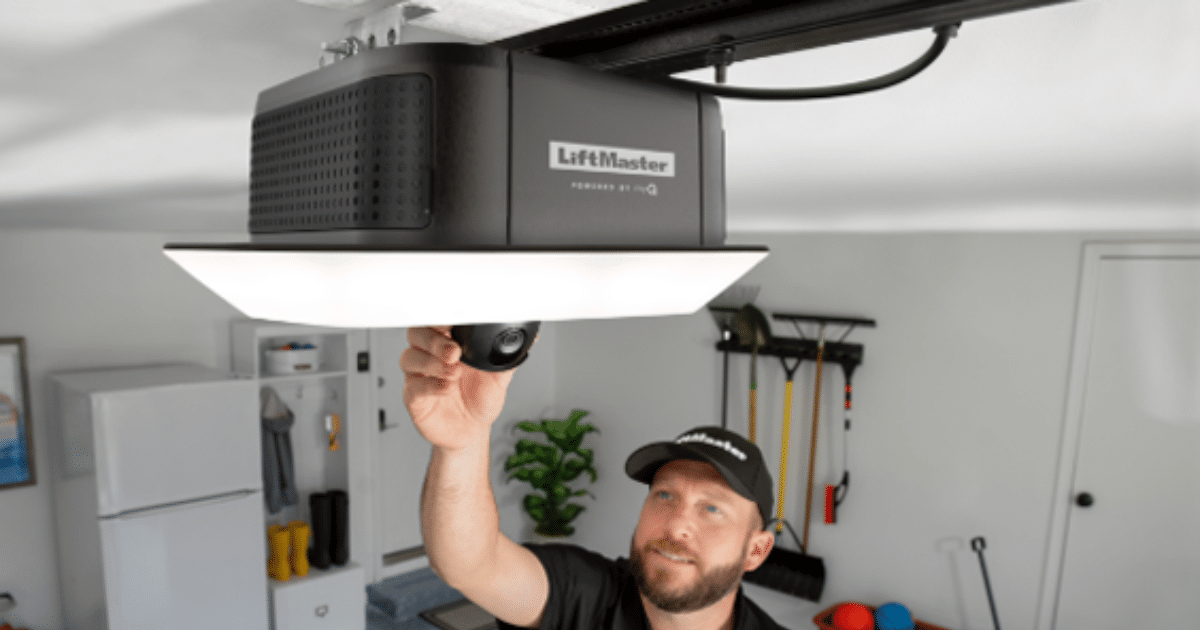
Most homeowners do not think about their garage door opener until it stops working. It runs quietly in the background, opening and closing the door dozens of times a week, and over time, that steady use adds up.
For homeowners in Kingston, NH, where temperature swings between seasons put extra stress on mechanical systems, knowing what affects your opener’s lifespan can save you from an unexpected breakdown at the worst possible time. This guide covers everything from average lifespan expectations to the warning signs that something is wearing down.
The Average Lifespan of a Garage Door Opener
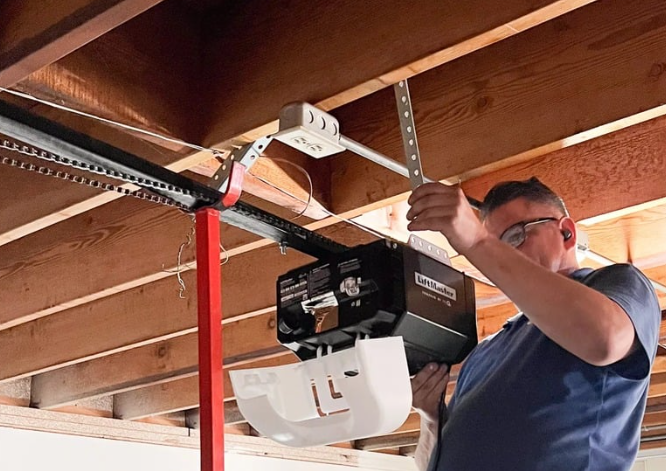
A well-maintained garage door opener typically lasts between 10 and 15 years, with some premium models pushing closer to 20 years under the right conditions. Budget-friendly models or those exposed to harsh conditions may start showing signs of wear earlier, sometimes within 7 to 10 years. Scheduling routine garage door repair checks along the way is one of the best ways to stay ahead of bigger issues.
- Most openers last between 10 and 15 years with regular care
- Premium brands tend to outlast budget models under the same conditions
- High-use households may see wear begin sooner, around the 7 to 10 year mark
- Extreme climates like Kingston, NH, accelerate mechanical wear over time
- Proper maintenance is the single biggest factor in reaching the higher end of that range
How Brand Quality Influences Long-Term Durability
Not all openers are built the same way, and the materials used in the motor housing, drive mechanism, and circuit board all contribute to how long the unit holds up.
- Professional-grade brands use higher-quality internal components
- Motor housing material affects heat resistance and long-term durability
- Circuit board quality determines how well the opener handles electrical stress
- Drive mechanism build quality directly impacts cycle count performance
- Choosing a reputable brand from the start reduces early replacement risk
If you are researching which brands tend to hold up best over time, our guide on What Are Common Garage Door Opener Brands? covers the most widely used options and what sets each one apart.
Factors That Shorten a Garage Door Opener’s Lifespan
Kingston, NH, experiences cold winters, humid summers, and wide seasonal temperature swings that are harder on garage door openers than most homeowners realize. Cold temperatures thicken lubricants, cause metal parts to contract, and put extra strain on the motor with every cycle.
- Extreme cold forces the motor to work harder on every single cycle
- Heat and humidity contribute to corrosion on mechanical and electrical parts
- Uninsulated garages expose the opener to the full range of seasonal extremes
- Frequent freeze-thaw cycles loosen hardware and affect alignment over time
- Insulating the garage reduces thermal stress on the opener significantly
How Poor Maintenance Habits Speed Up Wear and Tear
An opener that never receives attention will wear out faster than one that gets periodic care. Dry tracks, worn rollers, and unbalanced doors all force the motor to compensate, putting extra load on the system with every use. According to IDA’s garage door care and maintenance guidance, routine upkeep is one of the most effective ways to extend the working life of your garage door system.
- Dry or dirty tracks increase resistance and strain on the motor
- Worn rollers cause uneven door movement and add mechanical stress
- An unbalanced door forces the opener to carry more weight than intended
- Skipping annual inspections allows small issues to become bigger problems
- Neglected lubrication is one of the most common causes of premature opener failure
Warning Signs Your Opener Is Starting to Wear Down
A healthy garage door opener operates with a consistent sound and speed. Grinding or scraping noises are often the first thing homeowners notice, and they can point to worn gears, a dry drive mechanism, or misaligned components that need professional attention.
- Grinding sounds during operation often indicate worn internal gears
- Scraping noises point to misalignment in the drive rail or trolley
- Rattling hardware suggests loose mounting brackets or fasteners
- Squealing sounds typically mean the drive mechanism needs lubrication
- Any new or changing sound is worth having a technician inspect promptly
Behavioral Changes That Indicate Electrical or Motor Issues
If your opener responds to the remote sometimes but not others, or if it works fine one day and struggles the next, that inconsistency is a signal worth taking seriously. Intermittent issues often point to a failing circuit board, worn motor brushes, or a remote that is losing its programming.
- Inconsistent remote response is often an early sign of circuit board wear
- Slow door movement compared to previous performance indicates motor strain
- The door reversing without an obvious obstruction points to sensor or calibration issues
- Failure to respond to wall button commands suggests an internal wiring problem
- Any sudden change in operation speed or responsiveness deserves a professional check
Maintenance Steps That Extend Your Opener’s Life
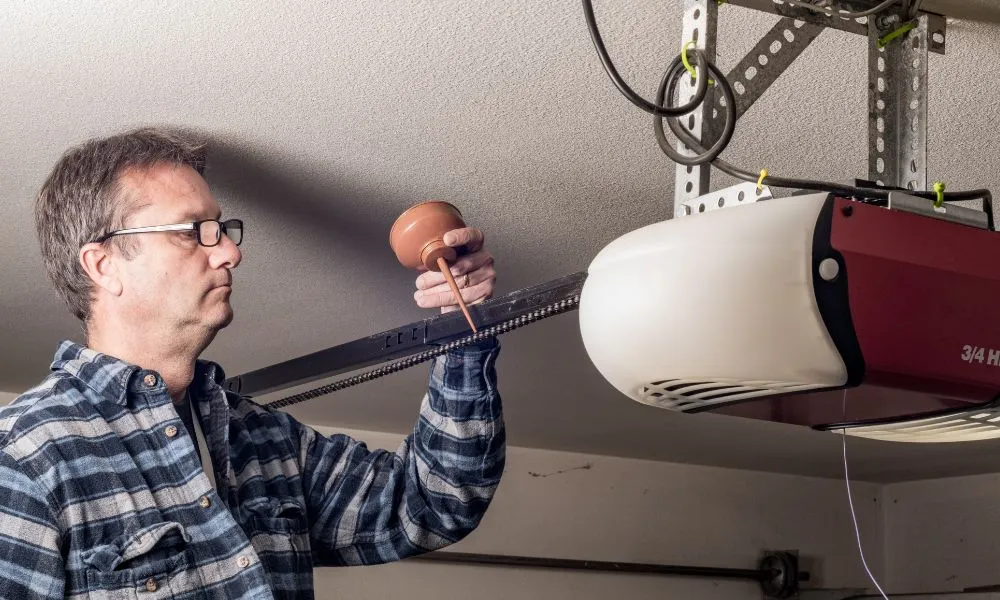
The good news is that extending the life of your opener does not require major effort. Lubricating the moving parts of the door itself, including the hinges, rollers, and tracks, reduces the load on the motor and helps the entire system move more smoothly.
- Apply lubricant to hinges, rollers, and tracks once or twice per year
- Use a garage door specific lubricant, not general-purpose household oil
- Avoid lubricating the drive chain or belt, which requires a dry surface
- Wipe away excess lubricant to prevent dirt and debris from accumulating
- Regular lubrication is one of the lowest-cost ways to extend opener lifespan
How Door Balance Directly Impacts Opener Longevity
A garage door that is out of balance forces the opener to carry weight it was not designed to handle on its own, and over time that added strain shortens the life of the motor significantly. For a broader look at what good maintenance and inspection looks like in practice, Angi’s guide on how to inspect and maintain your garage door offers reliable step-by-step guidance from a trusted home services resource.
- Disconnect the opener and lift the door by hand to test balance
- A balanced door stays in place at mid-height without assistance
- A door that drops or rises on its own needs spring adjustment by a technician
- Unbalanced doors are one of the leading causes of premature opener motor failure
- Balance checks should be done at least once per year as part of routine maintenance
When Repair Makes Sense and When Replacement Is the Better Choice
At some point, continuing to repair an aging opener stops making financial sense. If your unit is already past the 12 to 15-year mark and has needed multiple repairs, the average cost of the next repair may approach or exceed the cost of a new garage door installation.
- Openers past 12 to 15 years with recurring issues are usually better replaced
- Isolated component failures on newer units are generally worth repairing
- Multiple repairs within a short timeframe signal systemic wear throughout the unit
- Always get a professional assessment before deciding to repair or replace
- A technician can tell you whether the rest of the system is still in good shape
Why Upgrading Improves Both Safety and Performance
Older openers may not meet current safety standards, and modern units include rolling code technology, improved auto-reverse sensitivity, and better manual release systems.
- Modern openers include rolling code security, not found in older units
- Improved auto-reverse sensitivity reduces safety risks significantly
- Newer motors operate more quietly and efficiently than older models
- Smart home integration is standard on most current opener models
- Upgrading an aging opener improves both daily convenience and household safety
To understand what a proper installation of a new opener involves and what to expect throughout the process, our guide on What to Expect When Installing a Garage Door Opener walks through every step in detail.
What Happens When Your Opener Reaches End of Life
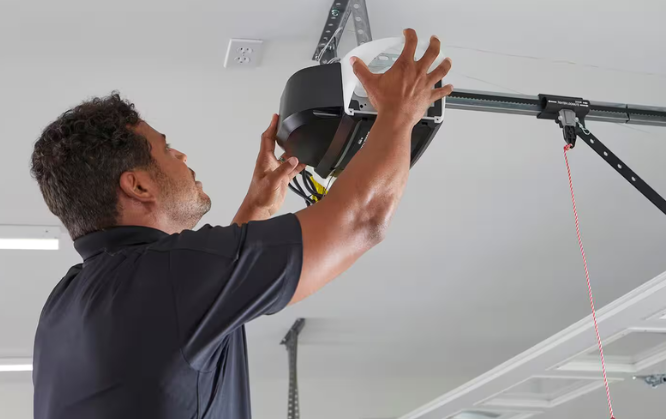
One of the most practical things a homeowner can do is plan for replacement before the opener actually fails. An opener that dies unexpectedly leaves you without garage access until a technician can respond, which is a real problem during busy weekdays or harsh winter conditions in Kingston, NH.
- Schedule a professional assessment when your opener reaches 10 to 12 years
- Ask your technician for an honest read on remaining lifespan during service visits
- Planning replacement on your schedule avoids emergency call costs
- Use the transition period to research brands and models that fit your needs
- A planned replacement gives you time to choose the right opener without pressure
How Newer Opener Models Outperform Aging Units
Technology has improved considerably over the past decade, and newer openers are quieter, more energy-efficient, and come with smart home features that older units simply do not have.
- Newer motors operate significantly more quietly than models from 10 or more years ago
- Energy-efficient designs reduce the electrical draw of each cycle
- Smart home connectivity is standard on most current residential models
- Improved safety features meet current industry and federal standards
- Battery backup options are more widely available on modern opener models
For a full understanding of what safety standards modern openers are built to meet, our guide on Garage Door Opener Safety Tips Every Homeowner Must Know covers what those protections mean for your household.
A Longer Lifespan Starts with Consistent Attention
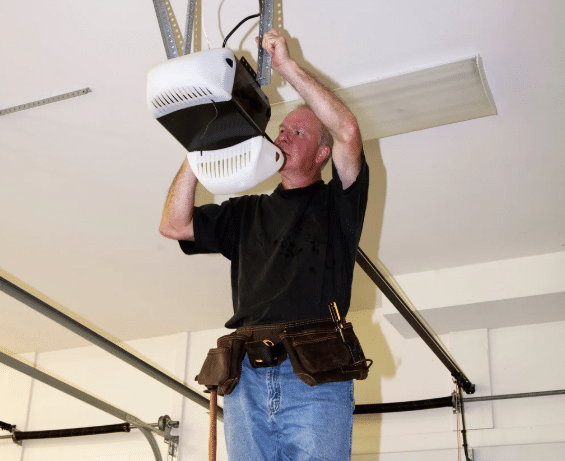
Your garage door opener works best when it is not ignored. Small habits, routine checks, and occasional professional service go a long way toward keeping it reliable for as long as possible.
The homeowners who get the most out of their openers are the ones who pay attention to early warning signs and do not put off minor maintenance. If you are in Kingston, NH, and are unsure about the condition of your garage door opener, Aloha Garage Doors is ready to help. Our team can inspect your system, let you know where things stand, and recommend the best path forward for your home. Contact us or give us a call today to schedule a visit.