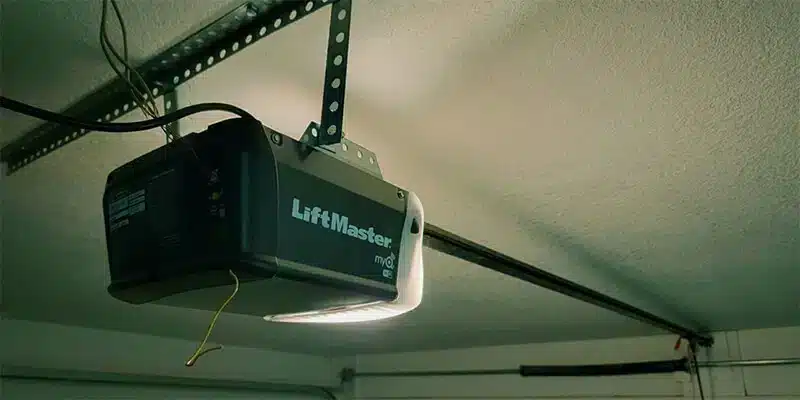
A garage door opener is one of the most powerful moving systems in your home, and when safety features are ignored or the system goes without attention, it can become a genuine hazard for your household. Understanding how to keep your opener operating safely is not something to put off.
For homeowners in Kingston, NH, where the garage is often a primary entry point and sees heavy daily use, these safety tips cover everything from testing your safety features to protecting children and pets around the door. This guide walks through what every homeowner needs to know to keep their system safe and reliable.
Understanding How Your Opener’s Safety Features Work
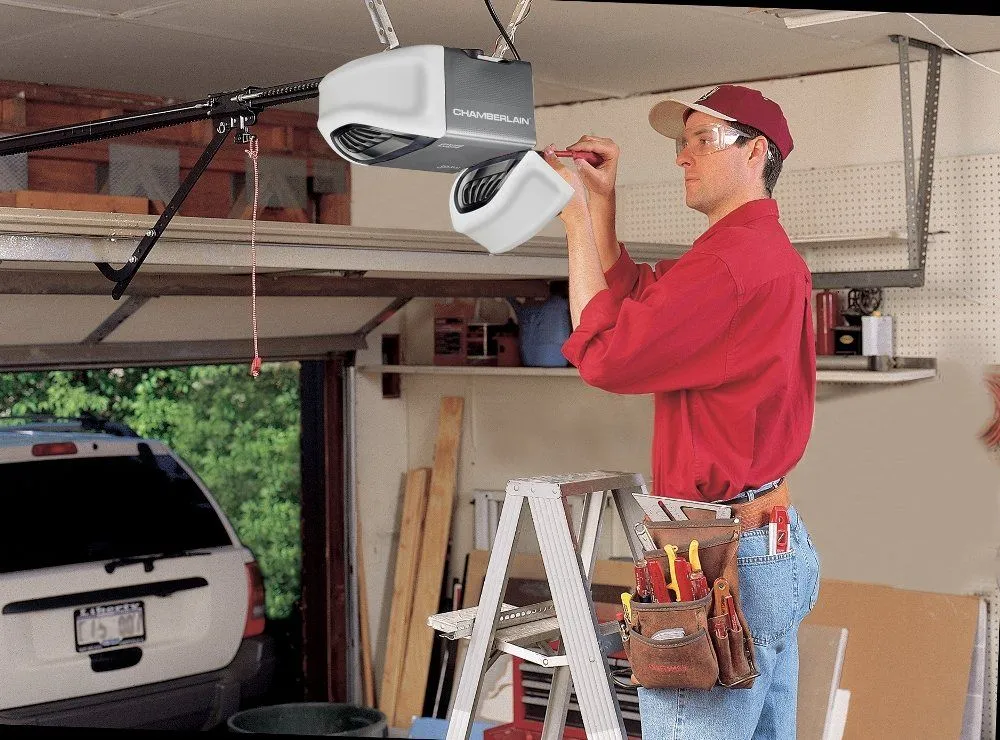
Every modern garage door opener is required to include an auto-reverse mechanism that causes the door to stop and reverse if it makes contact with an object while closing. This feature is your first and most important line of defense against the door closing on a person, a pet, or a vehicle. If this system ever behaves inconsistently, scheduling a garage door repair inspection right away is the safest course of action.
- The auto-reverse activates when the door meets unexpected resistance during closing
- Force sensors built into the motor detect resistance and trigger an immediate reversal
- The feature must be calibrated correctly to respond within a safe threshold
- Testing involves placing a flat board on the ground and triggering the door to close
- The door must reverse the instant it contacts the board without any hesitation
How Photo-Eye Sensors Add a Second Layer of Protection
Photo-eye sensors are mounted near the floor on both sides of the door opening and project an invisible beam across the path of the door. If anything breaks that beam while the door is closing, the door stops and reverses before making contact with the obstruction.
- Sensors must be mounted at the same height on both sides of the opening
- Steady indicator lights on both sensors confirm proper alignment
- A blinking sensor light signals misalignment or an obstruction on the lens
- Dust, dirt, and spider webs on the lens can disrupt the beam and cause false reversals
- Sensor lenses should be wiped clean with a dry cloth every few months
Understanding how long your opener is designed to last and what affects its performance over time is just as important as knowing how its safety features work, and our guide on How Long Does a Garage Door Opener Last? covers both in detail.
How Often You Should Test Your Safety Features
Safety features are only useful if they actually work when needed, and testing them once a month takes only a few minutes. A door that passed its auto-reverse test last year may not pass it this year if force settings have drifted over time.
- Test the auto-reverse mechanism monthly using a flat board on the ground
- Test photo-eye sensors by passing your leg through the beam while the door closes
- Confirm the door reverses immediately during both tests without hesitation
- Document your tests, so you have a record of when issues first appeared
- Share the testing habit with all adults in the household who use the garage
When a Safety Issue Requires a Professional Technician
Some safety issues are straightforward for a homeowner to address, such as cleaning a sensor lens or checking alignment. Adjusting spring tension, recalibrating force settings, or realigning tracks requires a qualified technician and should never be attempted without proper training and tools.
- Failed auto-reverse tests require immediate professional force setting adjustment
- Uneven door movement during operation signals a track or spring issue
- Unusual sounds during closing or opening warrant a professional inspection
- Never attempt to adjust spring tension without proper training and equipment
- A professional inspection once per year catches calibration drift before it becomes dangerous
Keeping Garage Door Controls Away from Children
The wall button that controls your garage door opener should be mounted high enough that young children cannot reach it. A child who can reach the button can trigger a heavy moving door without understanding the risk involved. During any garage door installation, confirming the wall button placement meets this standard is part of a responsible setup.
- Mount the wall button at least five feet from the floor in every installation
- Position the button where adults have a clear view of the door when using it
- Never allow children to treat the wall button as a toy or game
- Teach children from an early age that the controls are for adults only
- Reinforce the rule consistently so it becomes second nature for the household
How to Secure Remote Controls and Smartphone App Access
Remote controls and smartphone app access create the same hazard as the wall button if they fall into the wrong hands. Remotes should be stored out of reach, and app access should be protected with a strong password that children do not know.
- Store remote controls in locations that are not accessible to young children
- Never leave a remote on a low counter, in an open bag, or in an unlocked vehicle
- Protect the smart opener app with a strong password on every connected device
- Review the app activity log occasionally to confirm all door activity is accounted for
- Remove app access from any device that is lost, sold, or no longer in use
Protecting Children and Pets During Garage Door Operation
Children are naturally curious about large moving systems, and establishing clear rules early is one of the most effective safety measures a parent can take. The core rules are simple and should be reinforced consistently until they become a habit.
- Children must stand completely clear of the door while it is moving in either direction
- Never allow children to run under a closing door under any circumstances
- Teach children that the garage door is not a toy and cannot be played with safely
- Make sure children understand the door can cause serious injury if misused
- Practice the rules regularly so children respond correctly without being reminded
How to Build Safe Habits for Pet Owners
Pets may dart through the garage without warning, and the photo-eye sensors provide a layer of protection but are not a substitute for awareness. Developing a habit of visually confirming the door path is clear before triggering the close is a simple but important practice.
- Visually confirm pets are fully inside or outside before triggering the door to close
- Never assume the sensors will catch a fast-moving pet in time
- Keep pets away from the garage door area during operation whenever possible
- Consider a pet-specific barrier near the garage entrance for households with small animals
- Make door awareness a consistent habit for every household member who uses the garage
Garage Door Opener Security and Unauthorized Access
Older garage door openers used fixed codes that sent the same signal every time the remote was used, making them vulnerable to signal interception. Modern openers use rolling code technology, which generates a new code with every use, making unauthorized access significantly more difficult.
- Rolling code technology generates a new access code every time the remote is activated
- Fixed-code openers are vulnerable to signal interception and should be replaced
- Rolling code protection is standard on all current residential opener models
- Check your opener’s documentation if you are unsure whether it uses rolling codes
- Upgrading a fixed-code opener improves household security significantly
What to Do Immediately When a Remote Is Lost or Stolen
A lost remote is a security issue that needs to be addressed right away. Most openers allow you to clear all programmed remotes and reprogram only the ones currently in hand, removing access for any remote that cannot be accounted for. According to DASMA’s garage door safety guidelines, staying current with safety practices and understanding your opener’s security features are key steps in keeping your home protected.
- Clear all programmed remotes from the opener as soon as a remote goes missing
- Reprogram only the remotes you currently have in your possession
- Change the smart app password immediately if a connected device is lost or stolen
- Notify all household members so they are aware that access codes have been reset
- Do not delay this step, as a lost remote can be used to access your home quickly
If you want to know which brands handle this feature best, our guide on What Are Common Garage Door Opener Brands? breaks down what each major brand offers and what sets them apart.
How to Use the Emergency Manual Release Safely
Every garage door opener includes a manual release cord, typically red, that hangs from the trolley on the drive rail. Pulling this cord disconnects the door from the opener so it can be operated by hand during a power outage or opener malfunction.
- The manual release cord is usually red and hangs visibly from the trolley assembly
- Pull the cord firmly downward to disconnect the door from the drive mechanism
- Once disconnected, the door can be lifted and lowered by hand
- Every adult in the household should know its location and practice using it once
- Practicing during normal conditions makes it easier to use correctly in an emergency
How to Secure the Door When the Opener Is Disconnected
A garage door with the opener disconnected is no longer locked by the opener’s internal mechanism, meaning it can potentially be lifted from the outside by hand. Most garage doors include a manual side lock or slide bolt that should be engaged whenever the opener is disconnected and the home is unoccupied.
- Locate the manual lock on your garage door and confirm it is in working condition
- Engage the manual lock whenever the opener is disconnected and you leave the home
- Never assume a closed door is a locked door when the opener is disengaged
- Inform all household members about this security step so it is never overlooked
- A working manual lock is an important backup layer for household security
Recognizing When Your Opener Is a Safety Risk
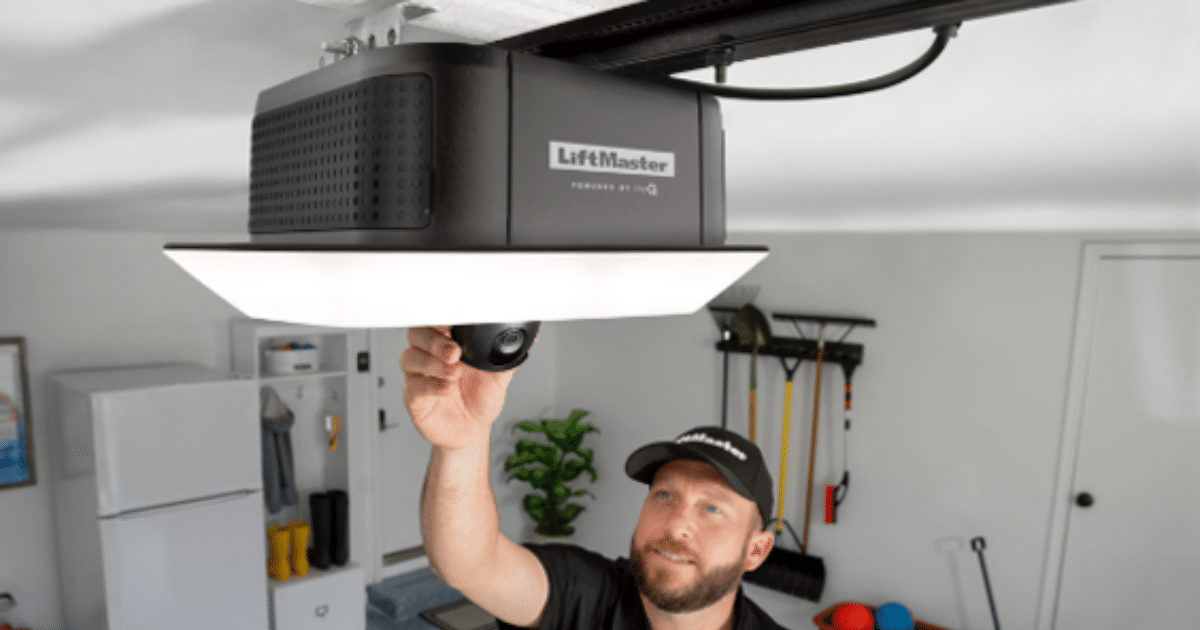
Some opener behaviors are more than annoyances. A door that fails the auto-reverse test, moves unevenly, or falls faster than normal is a situation that requires professional attention without delay and should not be ignored or worked around.
- A door that fails the auto-reverse board test must be taken out of service immediately
- Uneven or jerky movement points to track, roller, or spring issues affecting safe operation
- A door that falls faster than normal may indicate a broken spring requiring urgent service
- Never continue using an opener that produces burning smells or visible sparks
- Repeated failed remote responses combined with motor noise signal an internal failure
How Overall Door Health Connects to Opener Safety
The opener does not operate in isolation. It works together with the springs, tracks, rollers, and panels that make up the full door system, and when any of those components are worn or damaged, the opener compensates in ways that affect both performance and safety.
- Worn springs force the opener motor to carry weight it was not designed to handle
- Damaged tracks cause uneven door travel that strains the trolley and drive mechanism
- Bent or cracked door panels affect balance and put irregular stress on the opener
- Regular inspection of the full door system is the most complete approach to safety
- Addressing door component issues promptly protects both the opener and household safety
For a full look at what features matter most in a safe and reliable opener, our guide on Top Garage Door Opener Features You Should Never Ignore covers what to prioritize when evaluating your current or next system.
Staying Current with Garage Door Opener Safety Standards
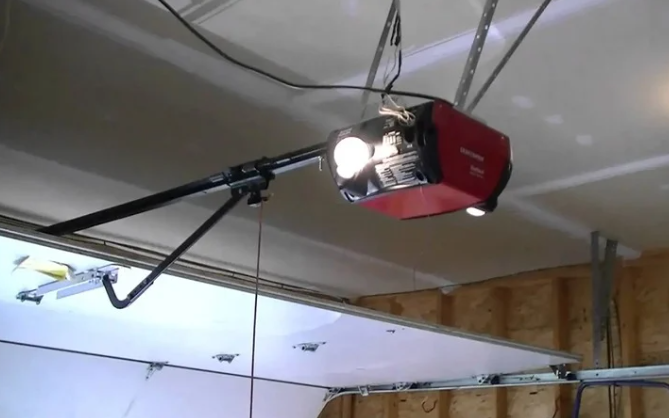
Garage door opener safety standards have evolved significantly over the decades, and homeowners with older systems may have openers that no longer meet current expectations. Understanding what modern standards require gives you a useful benchmark for evaluating your current system.
- Auto-reverse mechanisms became a federal requirement in the United States in 1993
- Photo-eye sensors have been required on all new residential openers since 1993
- Openers installed before these requirements may lack critical safety protections
- Rolling code security is now standard on all current residential opener models
- An opener that predates these requirements should be evaluated for replacement
How Regular Professional Inspections Keep Your System Safe Over Time
Even if everything appears to be working correctly, a professional inspection once a year gives a trained technician the opportunity to catch wear that is not yet visible to a homeowner. For additional context on why safety standards for automatic openers exist and what they cover, ULSE’s overview of automatic garage door standards provides authoritative guidance from an independent safety standards organization.
- Annual professional inspections catch calibration drift before it becomes a safety risk
- Technicians can identify worn components that are not yet visible to homeowners
- Safety feature testing during inspections confirms auto-reverse and sensor performance
- Inspections also cover spring condition, track alignment, and hardware integrity
- Staying on a consistent inspection schedule is the most reliable long-term safety habit
To understand what a proper installation and ongoing maintenance involve, our guide on What to Expect When Installing a Garage Door Opener walks through every step of what a proper setup looks like.
Safety Is a Habit, Not a One-Time Check
A safe garage door opener is not something you set up once and forget. It requires periodic testing, consistent habits around how controls are used, and attention to the signals your system gives you over time.
The homeowners who avoid accidents and unexpected failures are the ones who treat garage door safety as an ongoing part of caring for their home. If you are in Kingston, NH and want a professional to inspect your garage door opener and confirm everything is working safely, Aloha Garage Doors is here to help. Our team knows what to look for and will give you an honest assessment of your system’s condition. Contact us or give us a call today to schedule your inspection.