C.H.I. overhead doors are built tough. They are a popular choice for homeowners across Kingston, NH, and for good reason. They look great, hold up well in changing weather, and come in a wide range of styles. But like any mechanical system that gets used every single day, things can and do go wrong, and when they do, timely garage door repair can prevent a minor issue from becoming a major problem.
The good news is that most C.H.I. overhead door issues follow a pattern. Once you know what to look for, you can catch small problems before they turn into expensive repairs. This guide walks you through the most common issues homeowners run into, what usually causes them, and what you should do when you spot something off.
Whether your door is making a noise you have never heard before, moving slower than usual, or not responding to your opener, you are in the right place.
The Door Will Not Open or Close Completely
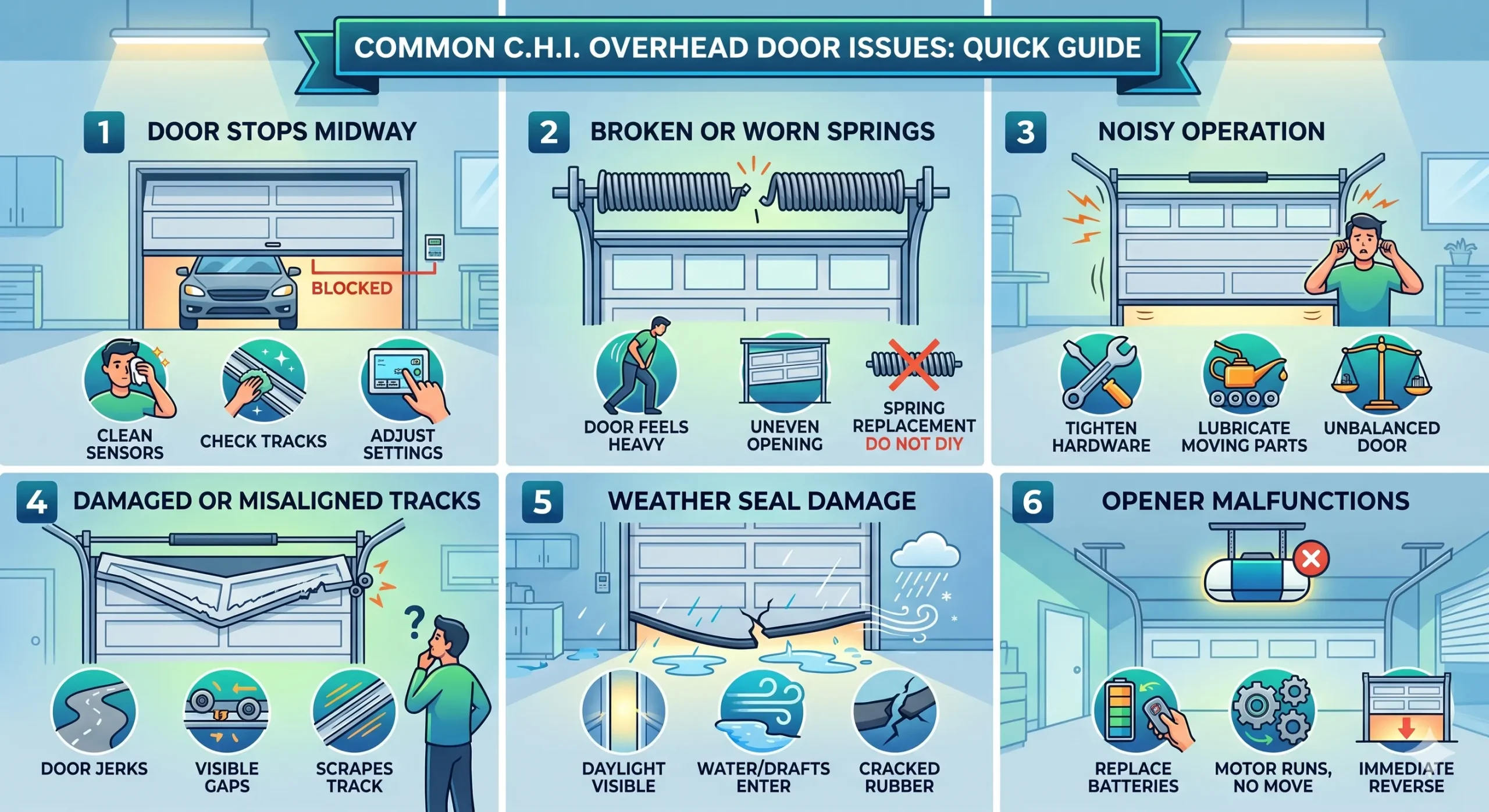
One of the most frustrating problems homeowners report is a garage door that stops midway or refuses to move at all. This is one of the most common C.H.I. overhead door issues, and it usually comes down to a few specific causes.
What to check:
- The photo-eye sensors near the bottom of the door frame. If they are dirty, misaligned, or blocked, the door will not close as a safety measure.
- The travel limit settings on your opener. If the limits are off, the motor will stop too early or keep running after the door has closed.
- The tracks for any visible bends, dents, or debris that may be blocking the door’s path.
Tips to avoid this problem:
- Clean your sensors monthly using a soft cloth.
- Keep the track area free of dirt, leaves, and small objects.
- Test your door’s open and close cycle at least once a month to catch early signs of resistance.
If your door keeps stopping in the same spot, that is a sign that something mechanical needs attention. Do not force it. Forcing a stuck door can cause more damage and put you at risk.
For a deeper look at what is behind these failures, check out Why Your C.H.I. Overhead Door Keeps Breaking Down to understand the root causes.
Broken or Worn-Out Springs
This is one of the most common and most serious issues with any overhead door, including C.H.I. models. Garage door springs carry the full weight of the door every time it moves. Over time, they wear down and eventually break.
There are two types of springs used on garage doors. Torsion springs sit above the door along a horizontal bar. Extension springs run along the sides of the door track. Both have a limited cycle life, typically between 10,000 and 20,000 cycles, depending on the quality.
Signs your springs may be failing:
- The door feels extremely heavy when you try to lift it manually.
- You hear a loud bang coming from the garage, which is often the sound of a spring snapping.
- The door opens unevenly, or one side sits higher than the other.
Tips to avoid this problem:
- Have your springs inspected annually by a qualified technician.
- Lubricate the springs every three to six months using a proper garage door lubricant, not WD-40.
- If one spring breaks, replace both at the same time since the other is likely close to the end of its life.
Spring replacement is not a DIY job. The tension stored in garage door springs is significant and can cause serious injury if handled without the right tools and training.
Noisy Operation
A garage door that rattles, grinds, squeaks, or bangs every time it moves is more than just annoying. It is usually a signal that something needs attention. Noise is one of the earliest warning signs homeowners notice before a bigger issue develops.
Common causes of noisy C.H.I. doors:
- Loose hardware, such as bolts, nuts, and hinges, that vibrate during operation.
- Worn rollers, especially plastic rollers that have not been replaced in several years.
- Dry or under-lubricated moving parts, including hinges, rollers, and the opener chain or belt.
- An unbalanced door that places uneven stress on the entire system.
What to check:
- Walk along the door and tighten any loose bolts or hardware you can see.
- Inspect the rollers for cracks, chips, or flat spots.
- Apply a silicone-based lubricant to the rollers, hinges, and springs every three to six months.
Tips to avoid this problem:
- Schedule a professional tune-up once a year. A technician will catch worn parts and lubricate the system properly.
- Upgrade to nylon rollers if you are still using older plastic or steel ones. They run much quieter and last longer.
Damaged or Misaligned Tracks
The tracks guide your door up and down every time it operates. When they are bent, dented, or out of alignment, the door cannot travel smoothly, and the entire system is under extra stress.
Track issues are more common than most homeowners realize. A minor bump from a vehicle, a loose mounting bracket, or years of normal wear can all throw a track out of alignment.
Signs of track problems:
- The door moves unevenly or jerks during operation.
- You can see visible gaps between the rollers and the track.
- The door scrapes or rubs against the track as it moves.
What to check:
- Look at both tracks from the side. They should be perfectly vertical on the wall sections and slope slightly toward the back of the garage on the horizontal sections.
- Check that all mounting brackets are tight and secure.
- Look for any obvious bends, dents, or separations in the track.
Tips to avoid this problem:
- Never try to bend a damaged track back into shape yourself. You risk making it worse.
- Keep the track clean and free of buildup that can cause the rollers to catch.
- Have a technician check track alignment during your annual garage door maintenance visit.
Understanding all about garage doors, especially how tracks and rollers work together, can make it easier to spot alignment problems before they put extra stress on the system.
Weather Seal and Bottom Seal Damage
Kingston, NH, goes through some tough seasonal weather. Cold winters, wet springs, and hot summers all take a toll on your garage door seals. The weather seal runs along the sides and top of the door frame, while the bottom seal sits along the base of the door. Both are designed to keep out air, water, pests, and debris.
Signs your seals need attention:
- You can see daylight around the edges of your closed door.
- Water gets into the garage during rain or snowmelt.
- Drafts make your garage noticeably colder in winter.
- The rubber seal looks cracked, torn, or flattened.
Tips to avoid this problem:
- Inspect your seals at the start of each season, especially before winter.
- Replace worn seals promptly. Delaying seal replacement can lead to water damage on your floor, walls, and stored belongings.
- Clean the bottom seal area regularly to prevent buildup that causes the seal to stick and tear when the door opens.
Seal replacement is one of the more affordable maintenance tasks and can make a noticeable difference in energy efficiency and comfort inside your garage.
Opener Malfunctions
Your garage door opener is the brain of the whole system. When it acts up, everything comes to a stop. C.H.I. doors are compatible with a wide range of opener brands and systems, but opener problems are still a common call for service technicians in the Kingston area.
Common opener issues include:
- The remote or keypad is not responding, even with fresh batteries.
- The motor runs, but the door does not move, which often points to a broken trolley or drive mechanism.
- The opener reverses immediately after touching the ground, usually caused by misadjusted force or limit settings.
- The wall button works, but the remote does not, pointing to a range or frequency issue.
What to check:
- Replace the batteries in your remote first. It sounds simple, but it is often the answer.
- Check that the antenna on the motor unit is hanging down and not blocked.
- Make sure the opener is plugged in and the outlet is functioning.
Tips to avoid this problem:
- Reprogram your remotes every few years or after a power surge.
- Keep the motor unit clean and free of dust and cobwebs.
- Consider upgrading older openers to a newer model with battery backup and smart home compatibility.
Knowing which garage door opener style is best for your setup can help homeowners troubleshoot performance issues and make smarter upgrade decisions.
If you are weighing whether to repair or upgrade your current setup, When Should You Repair or Replace Your C.H.I. Overhead Door? can help you think through that decision.
Panel Damage
C.H.I. Overhead Doors are known for their durable steel and composite panel construction. But panels can still get dented, cracked, or warped over time from impact, weather exposure, or age.
Common causes of panel damage:
- Accidental contact from a vehicle.
- Hail or debris impact during storms.
- Rust is developing on older steel panels due to moisture exposure.
- Warping from prolonged heat exposure on sun-facing doors.
What to check:
- Inspect your panels visually at least twice a year.
- Look for small rust spots and address them early before they spread.
- Check for any gaps between panels when the door is fully closed.
Tips to avoid this problem:
- Apply a rust-inhibiting paint or sealant to older steel panels every few years.
- Wash your garage door a few times a year with mild soap and water to remove road salt and grime, especially in winter.
- A single damaged panel can often be replaced without replacing the entire door, so address damage early.
For guidance on tackling panel issues and other problems without turning it into a full replacement, see How to Resolve C.H.I. Overhead Door Problems Like a Pro.
What Happens When You Ignore These Issues
Letting small problems go unchecked almost always leads to bigger and more costly repairs. A noisy roller becomes a broken roller. A slightly bent track causes the door to jump off entirely. A slow opener becomes a dead opener. The pattern is consistent across all types of C.H.I. overhead door issues.
Here is what proactive maintenance actually does for you:
- Extends the lifespan of the entire door system.
- Lowers the risk of unexpected breakdowns, especially during extreme weather.
- Keeps your home secure since a malfunctioning door is a security risk.
- Saves money by catching small issues before they become expensive repairs.
A professional inspection once a year is one of the smartest investments a homeowner can make in their property.
The Right Time to Call a Professional
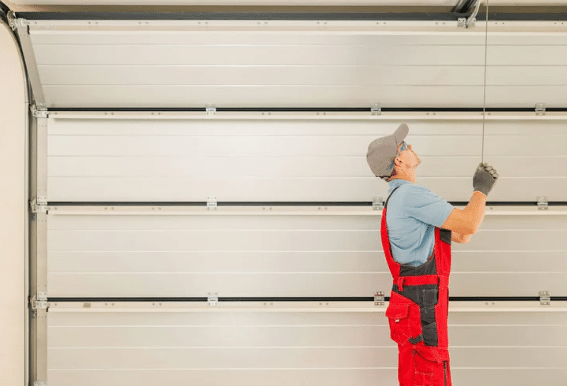
Some tasks are safe for a homeowner to handle, like cleaning sensors, tightening loose bolts, or replacing a remote battery. But many garage door repairs involve heavy components under high tension. Springs, cables, and tracks should always be handled by a trained technician.
If you are in Kingston, NH, and dealing with any of the issues covered in this guide, do not wait until the problem gets worse. Aloha Garage Doors is here to help. Our team has the experience and tools to diagnose and repair C.H.I. overhead door issues the right way. Contact us today or give us a call to schedule your inspection and get your door working as it should.