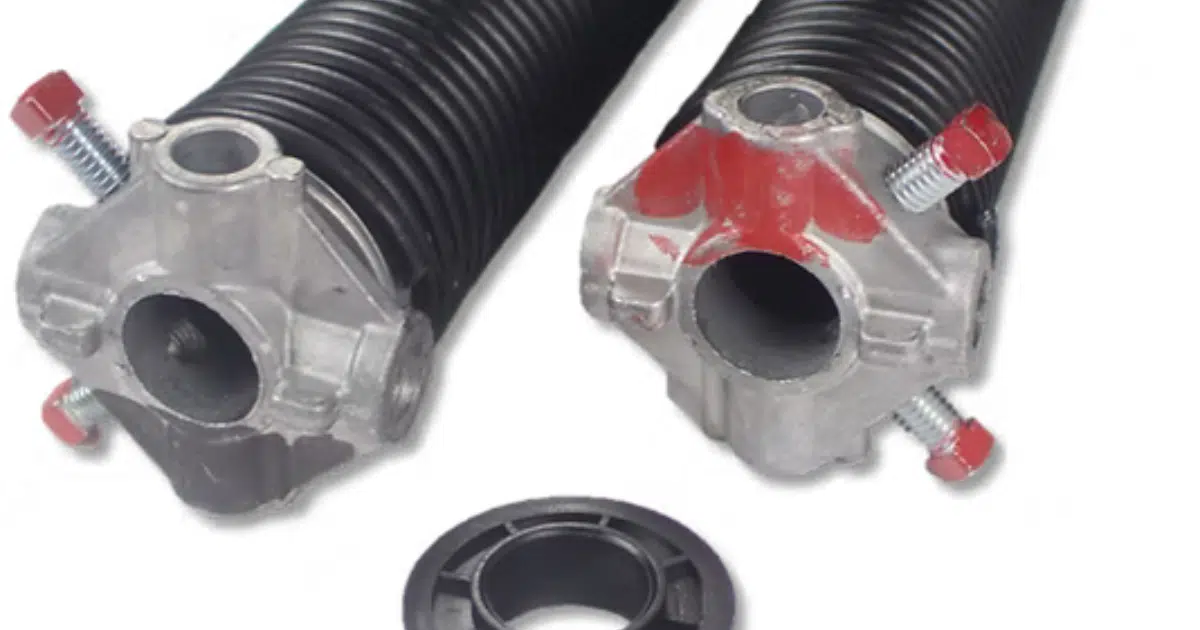
Most homeowners never think about their garage door springs until something goes wrong. Then suddenly the door will not open, or worse, a spring snaps loudly in the middle of the night, often requiring broken garage door spring repair. The truth is, garage door springs do not last forever. They have a defined cycle life, and once they reach it, they will fail.
If you live in Kingston, NH, where cold winters and temperature swings can add extra wear, understanding your springs is even more important. Knowing the average lifespan of your springs, what shortens it, and what warning signs to watch for can save you from a costly emergency repair or a door that leaves your car stuck inside.
This guide covers everything a homeowner needs to know about garage door spring lifespan without overcomplicating it.
What Are Garage Door Springs and Why Do They Matter?
Garage door springs are the components that do the heavy lifting every time you open or close your door. Without them, your garage door opener would be struggling to move a door that can weigh anywhere from 130 to 350 pounds. The springs store and release tension to balance the door’s weight, making the whole system work smoothly.
There are two main types used in residential garage doors:
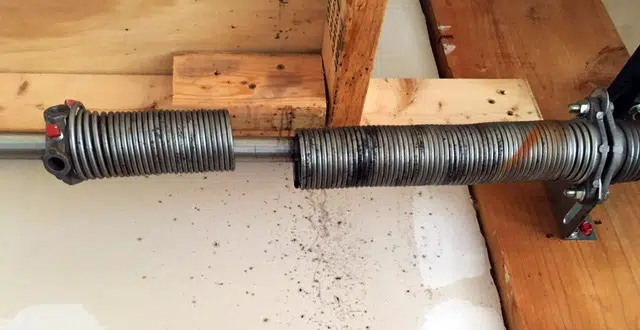
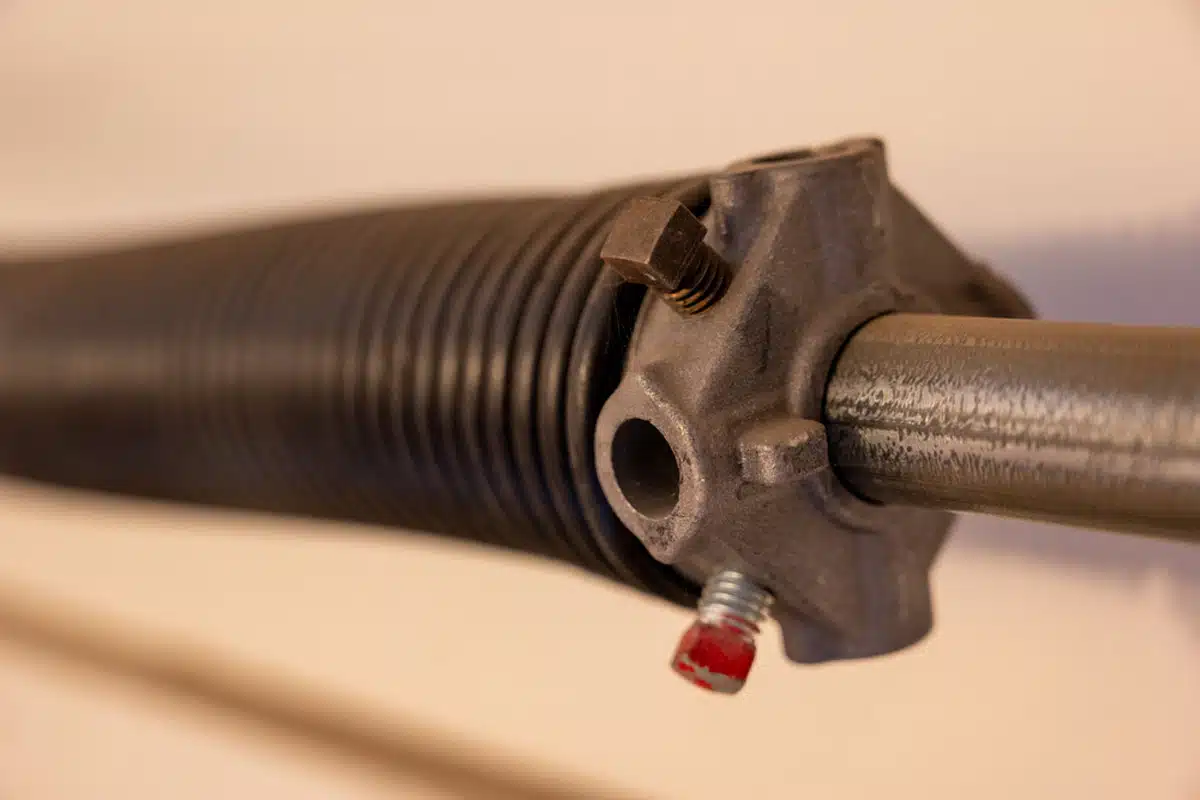
- Torsion springs: Mounted horizontally above the door, they wind and unwind with each cycle. Most modern homes use torsion springs because they are more durable and balanced.
- Extension springs: These run along the horizontal tracks on each side of the door. They stretch and contract as the door moves. Older homes often have this setup.
- Torque master springs: A contained version of the torsion spring system that encloses the spring inside the torsion bar for added safety.
Understanding which type you have is the first step in knowing what to expect from your system.
How Long Do Garage Door Springs Typically Last?
The standard measure for garage door spring lifespan is cycles. One cycle equals one full open and one full close. Most standard residential springs are rated for about 10,000 cycles.
Here is how that breaks down in real time:
- A household using the garage door 4 times a day goes through roughly 1,460 cycles per year.
- At that rate, a 10,000-cycle spring lasts about 7 years.
- Households with heavier use, around 8 to 10 cycles per day, may see springs wear out in as little as 3 years.
Higher-cycle springs rated for 25,000 or 50,000 cycles cost more upfront but last significantly longer. For busy households, upgrading to a higher-cycle spring at replacement time is often the smarter long-term choice.
Factors That Affect How Long Your Springs Last
Not all springs age at the same rate. Several factors play a role in how quickly a spring reaches the end of its cycle life.
Spring Quality and Cycle Rating
Builder-grade springs installed in new construction are often rated at a minimum of 10,000 cycles. If you have never replaced your springs since the home was built, there is a good chance they are already close to or past their expected lifespan.
Temperature and Climate
In areas like Kingston, NH, temperature fluctuations put added stress on metal springs. Cold weather makes metal more brittle and reduces the flexibility of the spring coils. Springs that are already worn are at a higher risk of snapping during winter months, making late fall a smart time to schedule an inspection.
Cold temperatures make metal more brittle and can dramatically shorten spring life. For a broader look at preventive garage door care, Angi’s guide to inspecting and maintaining your garage door covers the key habits that make a real difference year-round.
Lubrication and Door Balance
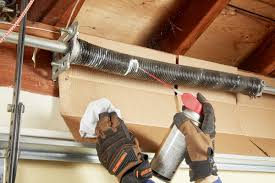
Springs that are regularly lubricated experience less friction and less metal fatigue over time. A door that is out of balance causes one spring to carry more load than the other, wearing it out faster. Both habits, consistent lubrication and routine balance checks, directly affect how long your springs last.
If you want to understand the full picture of how to keep your springs in better shape, read Why Garage Door Spring Maintenance Is Non-Negotiable for a deeper look at the habits that make the biggest difference.
Torsion Springs vs. Extension Springs: Which Lasts Longer?
Torsion springs generally outlast extension springs in both cycle life and overall reliability.
- Torsion springs: Rated for 10,000 to 20,000 cycles in standard form. They wear more evenly and are more controlled in how they move.
- Extension springs: Typically rated around 10,000 cycles. They wear unevenly and can be dangerous when they snap without safety cables in place.
- Replacement frequency: Homeowners with extension springs often replace them more often, especially if the springs are exposed to moisture or were installed without safety cables.
The Door and Access Systems Manufacturers Association (DASMA) outlines important safety tips for garage doors that apply especially to extension spring systems, where safety cables are a non-negotiable component.
Warning Signs Your Garage Door Springs Are Failing
Springs rarely give a lot of advance notice before they fail, but they do give some. Knowing what to look for can help you catch the problem early.
- The door feels unusually heavy when lifted manually. A balanced door should rise smoothly and stay in place at about waist height.
- The door opens unevenly or jerks during operation, which often means one spring is more worn than the other.
- You hear squeaking, grinding, or loud popping sounds during operation, which signal metal fatigue or lack of lubrication.
- There is a visible gap in the torsion spring coil, a clear sign that the spring has broken.
If you notice any of these signs, stop using the door and call a professional. Continuing to operate a door with failing springs can damage the opener motor, cables, and tracks, often escalating into more extensive garage door repair work.
How to Do a Basic Spring Check at Home
You do not need specialized tools to check your springs. A simple five-minute inspection can tell you a lot about the condition of your system.
The Manual Lift Test
- Close the door fully and disconnect the opener by pulling the red emergency release cord.
- Lift the door manually to about waist height and let go. It should stay in place without drifting up or dropping.
- If the door drops quickly, the springs are weak or broken. If it shoots upward, the springs may be over-tensioned.
The Visual Check
- Look at the torsion spring above the door for visible gaps, cracks, or rust along the coils.
- Check the extension springs along the sides for uneven stretching or corrosion.
- Inspect the lift cables for fraying or signs of unwinding.
If anything looks off, contact a professional before the problem gets worse. Spring repairs are not safe to handle without proper training and tools.
Not sure if your springs need replacing now or if you have more time? Check out When Should You Replace Your Garage Door Springs? to understand the specific signals that mean it is time to act.
What Happens When a Spring Breaks?
A broken spring is one of the most common reasons homeowners call for emergency service. When a spring fails, the door loses the counterbalance it needs to move safely.
- The opener will struggle or refuse to lift the door. Most openers are not built to move a door without spring support.
- If the door is open when a spring breaks, it may come down faster than expected, which is a serious safety hazard.
- On doors with a single torsion spring, the door will not move at all without professional intervention.
Broken springs are not a do-it-yourself repair. The tension stored in these components is significant and has caused serious injuries when homeowners attempt to handle them without training. Always contact a licensed technician.
To understand what happens when worn springs are left unaddressed, read What Happens If You Ignore a Worn Garage Door Spring? for a detailed look at the risks and why acting early matters.
What to Expect in Spring Replacement
When your springs reach the end of their life, replacement is the only safe option. Here is what the process typically involves:
- A technician will inspect both springs along with cables, drums, and surrounding hardware.
- Both springs are replaced at the same time, even if only one has broken, because both have experienced the same wear and the second is likely to fail soon after.
- The technician will adjust cable tension and test the door balance after installation.
- Most replacements take one to two hours depending on the spring type and door setup.
Costs vary depending on the spring type, cycle rating, and local labor rates. Average pricing in the Kingston, NH area may differ from national figures, so getting a quote from a local professional is always the right first step.
Keep Your Garage Door Running Smoothly Before It Stops Working
Garage door springs work hard every single day, and most homeowners never notice them until something breaks. Knowing their average lifespan, the factors that wear them down faster, and the warning signs to watch for puts you ahead of the problem before it becomes an emergency.
If you are in the Kingston, NH area and have questions about the condition of your garage door springs, Aloha Garage Doors is here to help. Whether you need an inspection, a spring replacement, or a professional opinion on your system, contact us today or give us a call to schedule a visit from a trained technician.