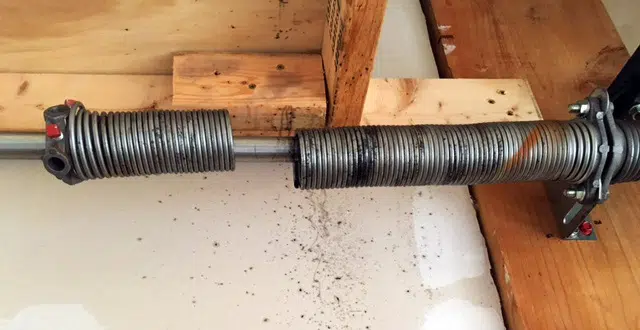
It starts with a sound you brush off. Maybe the door feels a little heavier than usual, or the opener seems to strain more than it used to. Life gets busy, and the garage door keeps working, so you leave it alone. That is exactly how a worn garage door spring turns into a situation requiring broken garage door spring repair.
Ignoring a worn spring does not just put the spring itself at risk. It sets off a chain reaction that can damage your opener, destroy your cables, and create a genuine safety hazard for your family and your vehicle. For homeowners in Kingston, NH, where harsh winters add extra stress to already weakened metal, the consequences of waiting too long tend to arrive faster and cost more.
This guide walks through exactly what happens, step by step, when a worn garage door spring is left unaddressed, and why acting early is always the better choice.
The Spring Weakens Faster Than You Realize
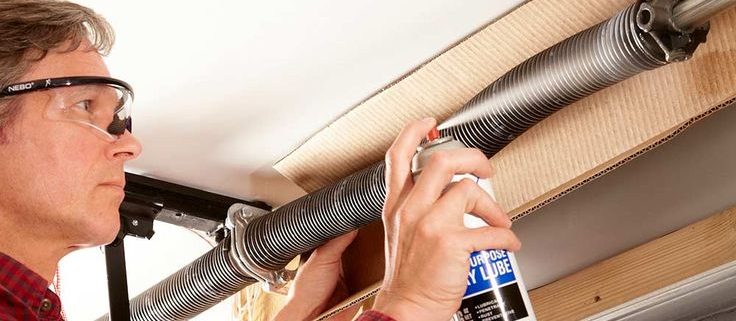
A worn spring does not sit still while you decide what to do about it. Every cycle the door goes through puts more stress on the metal that is already past its best condition. The degradation that took years to reach the warning stage can accelerate significantly in a matter of weeks once the spring moves into critical wear territory.
Here is what is happening inside the spring while you wait:
- The coil metal continues to fatigue with every open and close cycle, and the rate of fatigue increases as the structural integrity of the spring decreases.
- Any surface rust that is present continues to eat into the metal, reducing the coil’s ability to handle the tension it is storing.
- The spring’s ability to hold calibrated tension drops, which throws off the balance of the door and shifts the load to components that were not designed to carry it.
Most homeowners underestimate how quickly a spring moves from worn to broken once it crosses a certain threshold. Understanding the average lifespan and cycle ratings behind your springs helps put the urgency in context. Read How Long Do Garage Door Springs Last? for a full look at what drives that timeline.
Your Garage Door Opener Takes the Damage
The garage door opener is designed to guide the door, not lift it. The springs carry the actual weight of the door and allow the opener to do its job with minimal effort. When a spring is worn and no longer providing adequate counterbalance, the opener is forced to do work it was never built for.
- The opener motor runs hotter and longer on each cycle, which increases wear on the internal components and shortens the motor’s overall lifespan.
- The drive system, whether chain, belt, or screw, experiences more stress than it is rated for, which can lead to stretching, slipping, or premature failure.
- The circuit board and logic components in the opener can be affected by repeated overload conditions, sometimes causing erratic behavior or complete failure.
A garage door opener replacement costs significantly more than a spring replacement. Allowing a worn spring to destroy the opener turns a straightforward repair into a much larger expense.
DASMA’s resource on garage door openers explains how openers are designed to function within specific load parameters, a context that makes clear why a worn spring forces the system well outside its intended operating range.
The Cables and Drums Pay the Price Next
Lift cables and cable drums work in direct partnership with the springs. When the springs are balanced and functioning correctly, the cables carry a predictable and manageable load. When a spring is worn, that balance disappears, and the cables absorb the difference.
- Cables under excess load begin to fray at the point where they wrap around the drum, which is the highest-stress section of the cable’s travel.
- A frayed cable that snaps while the door is in motion can cause the door to drop suddenly on one side, creating a dangerous and unpredictable situation.
- Cable drums can crack or warp under load conditions they were not designed to handle, especially when one spring is more worn than the other and the load is unevenly distributed.
Cable and drum replacement adds to the total repair cost and extends the time your garage is out of service. What started as a single spring issue can become a multi-component repair that takes more time and resources to resolve.
For homeowners looking to avoid these cascading problems, Why Garage Door Spring Maintenance Is Non-Negotiable explains why regular inspections and maintenance are essential.
The Safety Risk to Your Family and Vehicle
Beyond the mechanical damage, a worn or broken garage door spring creates safety risks that should not be underestimated. A garage door is one of the heaviest moving objects in most homes, and the springs are what keep it from becoming a falling hazard.
- A door with a failing spring can drop suddenly if the remaining tension gives out mid-cycle, landing on a vehicle, a pet, or a person in the path of the door.
- A torsion spring that snaps under full tension releases a significant amount of stored energy. Without proper safety containment, the broken spring or its components can travel across the garage at high speed.
- Children and pets are particularly vulnerable in a garage environment where they may not recognize the warning signs of a door that is about to behave unpredictably.
Your Garage Becomes a Security Vulnerability
A garage door that is struggling with a worn spring does not close and seal the way it should. This creates a security gap that most homeowners do not think about until it is too late.
- A door that does not sit flush at the bottom when closed leaves a gap that can be exploited manually, especially if the emergency release cord is accessible from outside.
- A door that reverses unexpectedly or fails to close fully can leave your home and vehicle exposed overnight without you realizing it.
- In the winter months in Kingston, NH, a door that does not seal properly also allows cold air and moisture to enter, which can affect anything stored in the garage and accelerate rust on other metal components.
The Cost of Waiting vs. the Cost of Acting Early
One of the most practical reasons to address a worn spring promptly is the financial one. The cost of replacing a spring before it fails is a fraction of what it costs when a worn spring is allowed to damage the surrounding system.
- Spring replacement on its own is a contained, relatively straightforward repair. Adding cable replacement, drum replacement, or opener repair to the same visit multiplies the cost considerably.
- Emergency service calls, which are often needed when a spring fails without warning, typically cost more than scheduled appointments due to after-hours or same-day rates.
- Vehicle damage from a door that drops suddenly is an expense entirely separate from the garage door repair itself, and it is one of the more costly outcomes of a spring failure.
Costs for spring replacement in Kingston, NH will vary depending on the spring type and the condition of the surrounding hardware. Getting ahead of the problem while it is still just a spring issue is always the more affordable path and helps avoid escalating garage door repair expenses.
How to Tell If Your Spring Is Already in Trouble
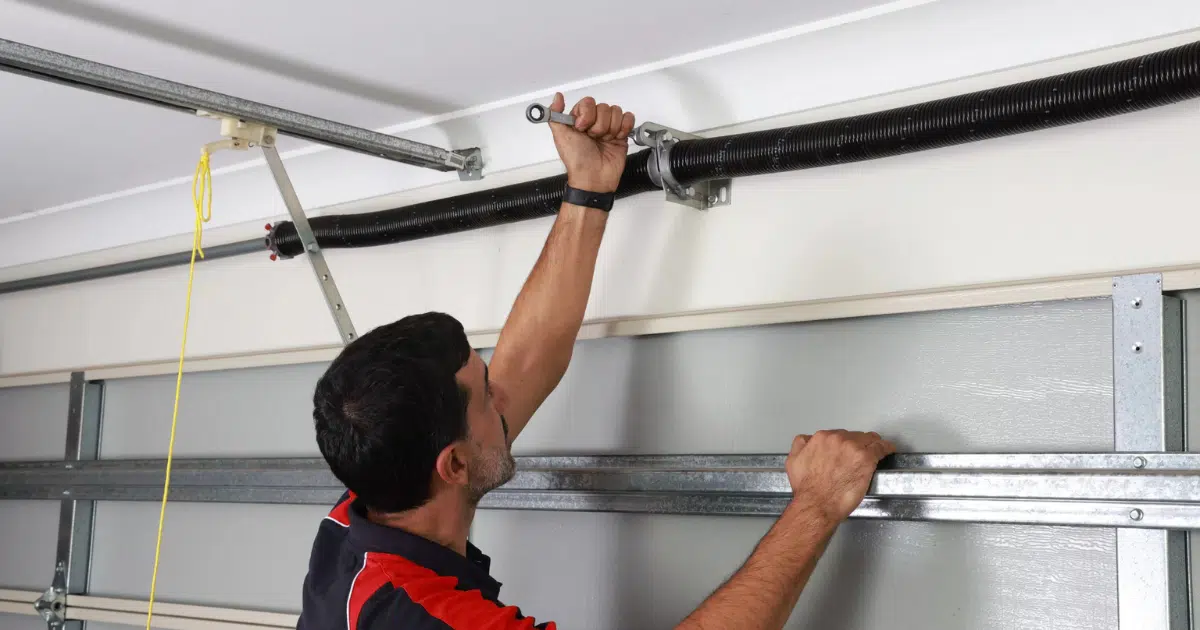
If you are reading this and wondering whether your own springs are already past the point of no return, these are the signs to check right now.
Do the Manual Lift Test
Disconnect the opener using the red emergency release cord and lift the door manually to about waist height. Let go. A door with healthy springs stays in place. A door that drops quickly or drifts upward is telling you the spring tension is off and the system needs attention.
Check the Spring Visually
Look directly at the torsion spring above the door or the extension springs along the side tracks. Any visible gaps in the coil, heavy rust, or uneven stretching are clear signals that replacement is overdue.
Listen During Operation
Run the door through a full open and close cycle and pay attention to any sounds that are new or different. Grinding, squeaking, or loud popping sounds that were not there before are worth investigating before they get worse.
What to Do Once You Spot the Problem
Spotting a worn spring early gives you options. You can schedule a replacement on your timeline, choose the right spring upgrade for your usage level, and avoid the higher cost and disruption of an emergency repair.
- Stop using the door if the spring is visibly broken or the door is behaving unsafely. Operating a door with a failed spring puts the opener and cables under immediate risk.
- Call a licensed technician to inspect and confirm the condition of the spring and the surrounding hardware before any replacement work begins.
- Ask about upgrading to a higher-cycle spring at the time of replacement. This is the best opportunity to extend the interval before your next replacement is due.
If you are still weighing whether replacement is needed right now or if you have more time, read When Should You Replace Your Garage Door Springs? for a clear breakdown of the signals that mean it is time to act.
The Longer You Wait, the More It Costs You
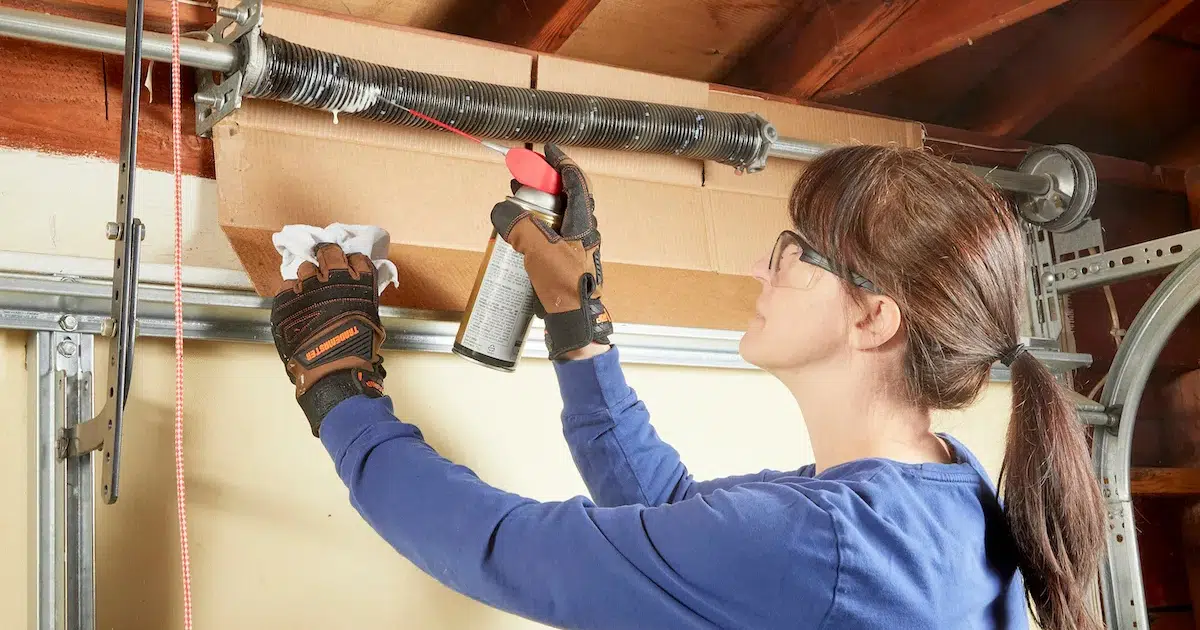
A worn garage door spring is not a problem that gets better on its own. Every day it goes unaddressed is another day the opener, cables, and hardware around it absorb damage they should not have to take. The safety risks are real, the repair costs grow with every delay, and the outcome of a complete failure is almost always more disruptive than the repair would have been.
Aloha Garage Doors has been serving the Kingston, NH area with honest assessments and precise spring repairs that homeowners can count on. Our trained technicians will evaluate your system and take care of the repair before the damage spreads any further. Contact us today or give us a call to schedule your visit.