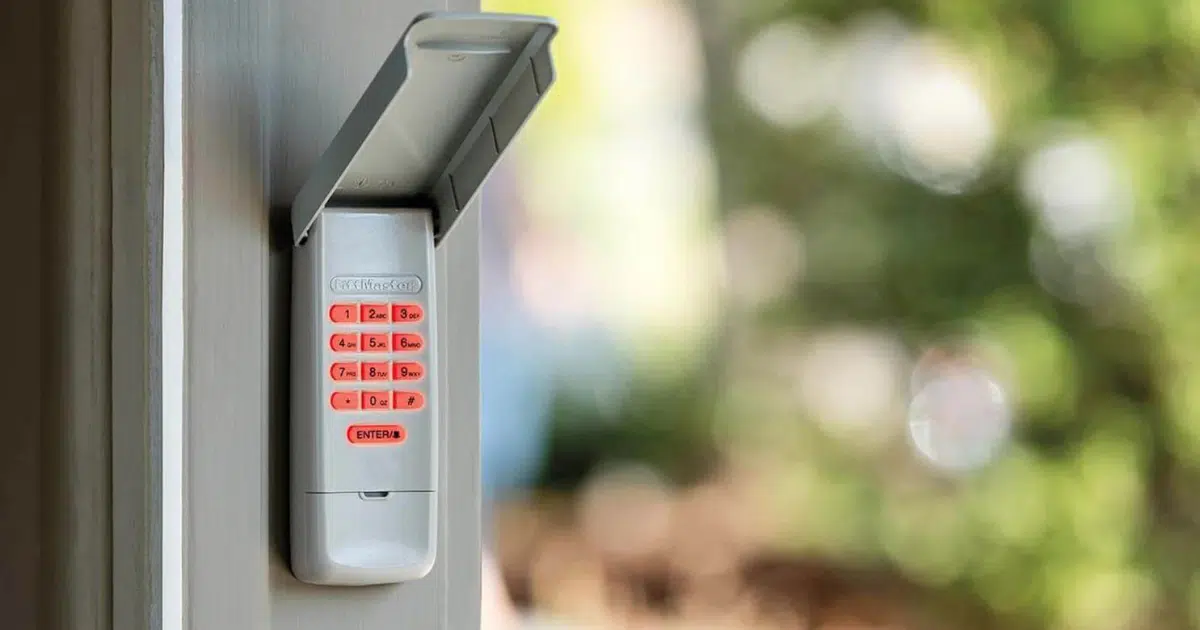
Garage door keypads allow homeowners to open and close their garage without needing a remote control. By entering a personal code, the keypad sends a wireless signal to the garage door opener so the door can move safely. LiftMaster keypads are widely used because they are reliable and designed for convenient access.
For many homeowners in Kingston, NH, the garage is used as the main entry point to the home. When the keypad suddenly stops responding, it can quickly become frustrating. A keypad issue may appear to be related to the access code, but the problem is often caused by another factor within the garage door system.
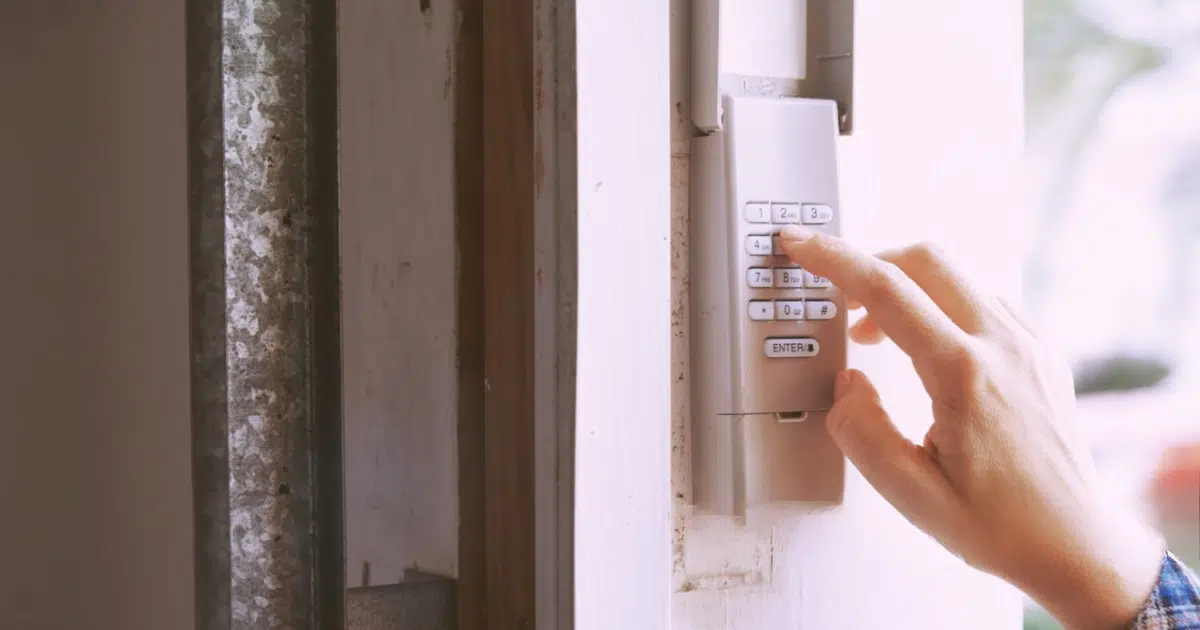
Quick Signs Your LiftMaster Keypad Code Is Not Working Properly
Before diving into the common causes, it helps to recognize the early warning signs that a keypad problem may be developing. Many homeowners first notice small changes in how the keypad responds before it completely stops working.
Some common signs include:
- The garage door does not respond after entering the correct code
- The keypad light turns on, but the door does not move
- The door responds only after entering the code multiple times
- Certain keypad buttons stop responding
- The keypad works inconsistently throughout the day
These symptoms often indicate that something within the keypad system needs attention. In many cases, the issue may be related to battery power, signal interference, or a lost connection between the keypad and the garage door opener.
Homeowners who understand how the keypad communicates with the opener may find it easier to identify the cause of the problem.
If you want to know how entering a keypad code opens and closes your garage door, read What a LiftMaster Keypad Code Is and How It Works.
Recognizing these early warning signs can help homeowners address keypad issues before they become more serious garage door problems.
Reasons a LiftMaster Keypad Code May Stop Working
Several factors can affect keypad performance. Understanding these causes can help homeowners troubleshoot problems more effectively.
The Keypad Battery Is Weak or Dead
One of the most common causes of keypad problems is a weak or dead battery. Wireless keypads rely entirely on battery power to send signals to the garage door opener.
When the battery begins to lose power, the keypad may still light up, but may not send a strong enough signal to activate the opener.
Signs of a weak battery include:
- Dim keypad lighting
- Slow response when entering the code
- The door responds only occasionally
- Buttons requiring multiple presses
Replacing the battery is often the first step technicians recommend when diagnosing keypad issues.
The Keypad Lost Its Programming
Sometimes the keypad may lose its programming connection with the garage door opener.
This can happen if:
- The garage door opener loses power
- The opener is accidentally reset
- Electrical surges affect the system
When this occurs, the keypad code itself may still be correct, but the opener no longer recognizes the keypad signal.
If your LiftMaster garage door opener keypad is still using the same code from installation, read How to Change a LiftMaster Keypad Code to see how easy it can be to update it.
Signal Interference Is Blocking Communication
Garage door keypads communicate with the opener using wireless signals. Certain devices or environmental factors may interfere with these signals.
Possible causes of signal interference include:
- Nearby wireless electronics
- Metal surfaces block signals
- LED lighting near the opener
- Radio frequency interference
If the keypad works sometimes but not consistently, signal interference may be the cause.
Weather Conditions Are Affecting the Keypad
Outdoor keypads are designed to handle weather exposure, but extreme conditions can still affect their performance over time.
In Kingston, NH, cold winters and moisture can sometimes impact keypad components.
Weather-related issues may include:
- Cold temperatures are reducing battery performance
- Moisture entering the keypad housing
- The ice is affecting the keypad buttons
- Condensation inside the keypad
Regular inspection and occasional cleaning can help prevent these problems.
Dirt or Debris Is Affecting the buttons.
Keypads installed outside the garage can collect dirt, dust, and debris over time.
If dirt builds up under the buttons, the keypad may not detect numbers correctly when pressed.
Common signs include:
- Certain numbers are not responding
- Buttons are sticking when pressed
- The keypad is responding inconsistently
Cleaning the keypad gently with a soft cloth can help keep the buttons functioning properly.
The Garage Door Opener Receiver Is Malfunctioning
Sometimes the problem is not with the keypad itself. The receiver inside the garage door opener may fail to detect signals sent from the keypad.
If the keypad lights up but the door does not respond, the receiver may need inspection.
Other wireless devices, such as garage door remotes, may also stop working if the receiver is malfunctioning, which can be another sign that garage door repair may be needed.
If the keypad lights up but the door still does not move, the issue may be tied to a garage door won’t open problem involving the opener or its connected parts.
The Access Code Was Entered Incorrectly
In some situations, the keypad may appear not to work simply because the access code was entered incorrectly.
This can happen when:
- Guests attempt to use the keypad
- The code was recently changed
- Keypad numbers are worn and difficult to read
Entering the code slowly and carefully may resolve the issue.
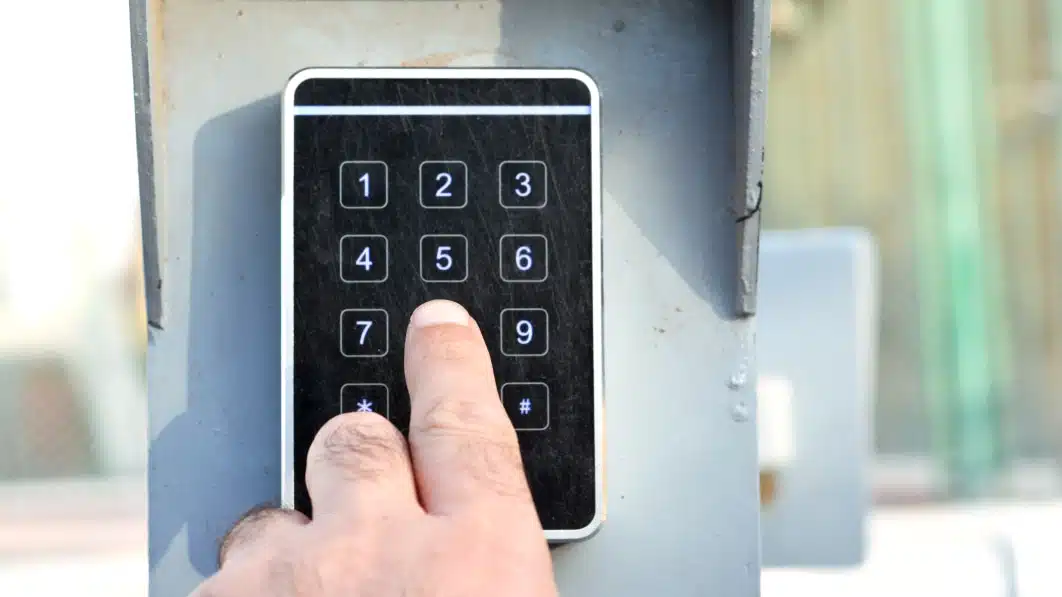
The Keypad Is Reaching the End of Its Lifespan
Garage door keypads experience years of exposure to weather and frequent use.
Over time, internal electronic components may begin to wear out.
Signs that the keypad may be nearing the end of its lifespan include:
- Buttons becoming unresponsive
- Programming failing repeatedly
- Cracks or damage in the keypad housing
In these cases, replacing the keypad may provide a more reliable long-term solution.
Another Component in the Garage Door System Is Causing the issue
Sometimes a keypad problem is actually caused by another component in the garage door system.
Possible related issues include:
- Misaligned safety sensors
- A failing garage door opener motor
- Wiring problems within the opener
- Remote transmitters are interfering with signals
If multiple components appear to be malfunctioning, a professional inspection may be recommended.
The Keypad Is Not Properly Synced With the Opener
Another reason a LiftMaster keypad code may stop working is that the keypad and garage door opener are no longer properly synced.
Synchronization problems can occur when:
- The keypad was partially programmed
- The opener memory was cleared
- The keypad was replaced, but not programmed fully
- A previous code was not completely erased
When synchronization issues occur, the keypad may appear to function normally, but the opener does not respond.
In many cases, reprogramming the keypad restores communication between the two devices.
Tips to Prevent Keypad Code Problems
Preventive maintenance can reduce the chances of keypad issues developing.
Homeowners can keep their keypad functioning properly by following these habits:
- Replace the keypad battery once a year
- Clean the keypad buttons periodically
- Inspect the garage door opener occasionally
- Test the keypad every few weeks
- Update the keypad code when access needs change
Routine attention to small garage door maintenance tasks can help prevent larger garage door issues later.
Regular garage door system safety and maintenance tasks can help homeowners identify small issues early and keep the system operating reliably.
If you recently moved into a home with an existing keypad system, read When You Should Update Your LiftMaster Keypad Code to keep access secure.
Know What to Do When Your Garage Door Keypad Becomes Unresponsive
Garage door keypads provide convenient access to the home, but occasional issues can occur when batteries weaken, signals are interrupted, or system components begin to wear. Understanding why a LiftMaster keypad code may stop working can help homeowners identify the cause and determine when professional service may be helpful.
For dependable garage door service in Kingston, NH, Aloha Garage Doors offers detailed inspections, opener diagnostics, and keypad troubleshooting. If the keypad becomes unresponsive or the system needs attention, contact us today or give us a call to schedule service and keep your garage door running smoothly.