A little noise from a brand-new garage door is normal for the first two to four weeks, as hardware seats and metal parts settle into place.
What is not normal is noise that gets louder over time, a loud bang, or grinding right after install. Those point to loose hardware, a misaligned track, an unadjusted opener, or an installation issue, and most of these fall under warranty rather than a garage door repair you pay for out of pocket.
Key Takeaways
- Light rattles, pops, or squeaks in the first few weeks are usually normal break-in noise.
- Noise that increases week over week, rather than fading, needs a look.
- A loud bang on a new door is more often a hardware or balance issue than a worn part.
- Grinding right after install usually points to the drive gear or a misaligned track.
- Most new-door noise complaints trace back to the installation, so your installer’s warranty should cover it.
- If the noise comes with jerky movement, stop using the door and call for service.
- Regular garage door maintenance, lubrication, and hardware checks prevent most of these six causes from developing in the first place.
DIY-Safe vs. Call a Pro
Task | DIY-Safe? | Notes |
Lubricating rollers, hinges, and track | Yes | Wait until after the first month of break-in |
Tightening visible hardware (not near springs) | Yes | Stop and call if it keeps loosening again |
Checking door balance (disconnect and lift test) | Yes, for the check itself | Do not attempt to adjust springs after |
Adjusting spring tension | No | High-tension component, technician only |
Realigning or repositioning track | No | Under load, technician only |
Adjusting opener force and limit settings | Depends | Fine if you are comfortable with your opener’s menu |
Diagnosing a mix of unclear noises | No | Document and call your installer |
1. Settling and Break-In Noise (Normal)
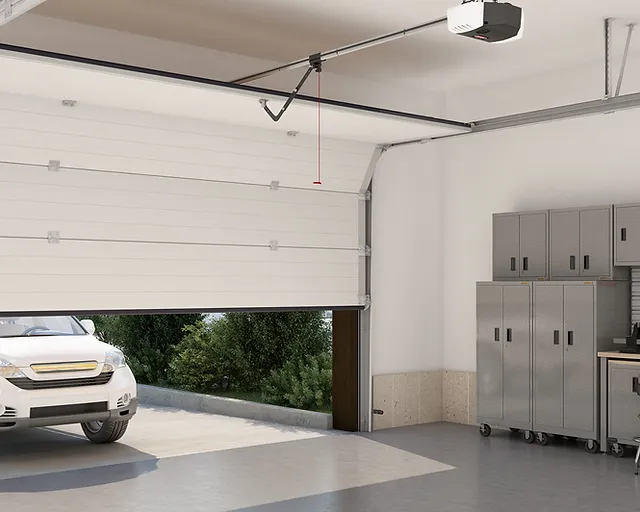
Symptom: Light rattles, pops, or a faint squeak, most noticeable in the first few weeks, that fades a little each week.
Most likely cause: New cables stretch slightly, fasteners seat in, and metal panels expand and contract until everything settles. None of this means a part is failing.
Fix steps:
- Run the door through a few cycles and listen for whether the noise is fading, not growing.
- Apply a light garage-door lubricant to the rollers, hinges, and springs after the first month.
- Track the timeline. Most break-in noise clears within a month.
Call a pro if: The noise is still there, or louder, after four weeks.
How to Tell if Your New Garage Door’s Noise Is Normal Break-In
The clearest test is direction: normal break-in noise fades week over week. If a sound holds steady or grows, it has moved from “normal” to “worth checking.”
If what you’re hearing is more of a distinct clicking or ticking than a rattle or pop, our guide on Why Is My Garage Door Making a Clicking or Ticking Sound? 4 Causes covers that specifically.
2. Loose Hardware From Shipping or Installation
Symptom: Rattling or a metallic clatter, loudest as the door starts or stops moving.
Most likely cause: Bolts, hinges, or roller brackets not fully torqued during installation, or hardware that loosened slightly in transit.
Fix steps:
- Check hinges, track brackets, and roller housings for anything visibly loose.
- Tighten hardware you can safely reach with a wrench or socket.
- Do not touch fasteners on the spring assembly.
Call a pro if: The loose hardware is anywhere near the springs or the lift cables, or if tightening it does not stop the rattle.
How to Fix Loose Hardware on a New Garage Door
A quick pass with a wrench along the track brackets and hinges usually resolves it. If the rattle returns after tightening, that’s a callback to your installer.
3. Unbalanced Door (Improper Spring Tension)
Symptom: A hard bang when the door closes, or the opener straining as it lifts, even on a brand-new door.
Most likely cause: Spring tension that wasn’t set correctly to match the door’s exact weight during installation. This is one of our most common calls on new installs, since even a small miscalibration makes the door fight the opener every cycle.
Fix steps:
- Disconnect the opener and manually lift the door about halfway.
- Let go. A balanced door stays roughly in place; an unbalanced one drops or shoots upward.
- Do not adjust the springs yourself.
Call a pro if: The door does not hold its position when released. That confirms a balance issue that needs adjustment.
Why a New Garage Door Out of Balance Makes Noise
An out-of-balance door forces the opener to work harder than it should, which shows up as noise before a breakdown. Our rule of thumb: if a new door bangs on close, check balance first.
If the bang shakes the wall and the door still lifts easily by hand, our guide on Why Does My Garage Door Bang So Hard It Shakes the Wall? 3 Close-Force and Limit Switch Causes covers those opener settings.
4. Track Misalignment
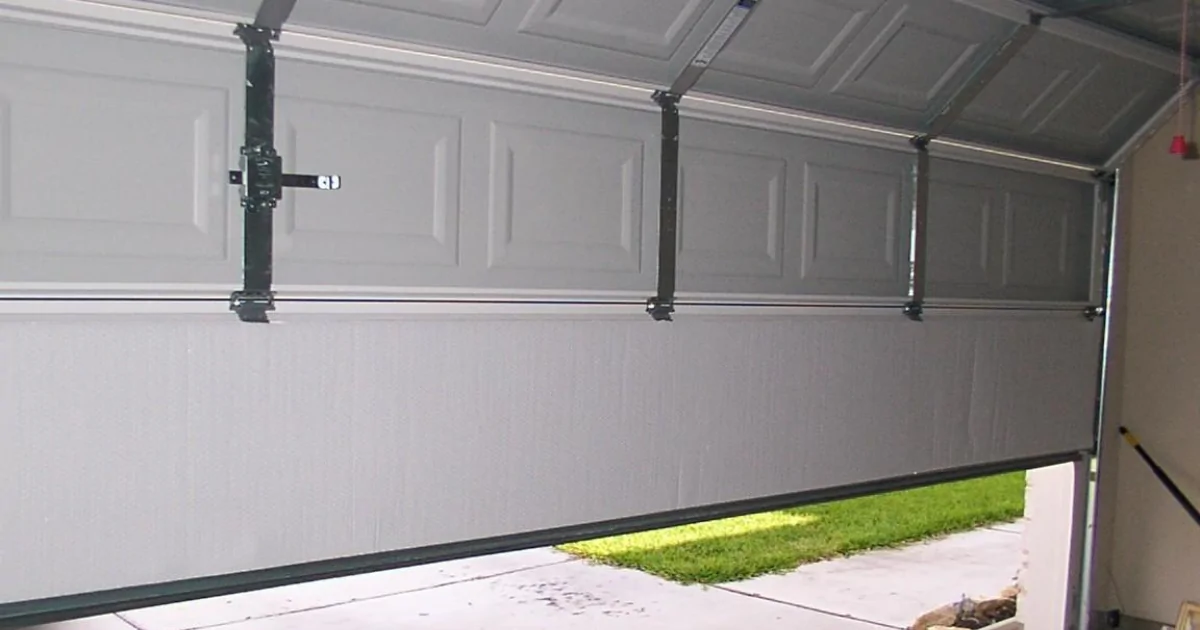
Symptom: A grinding or scraping sound as the door travels, sometimes wobbling slightly in the opening.
Most likely cause: Track sections not perfectly aligned during installation, causing rollers to bind against the edge instead of rolling smoothly.
Fix steps:
- Look along the track for visible gaps, bends, or spots pulling away from the wall bracket.
- Check that mounting brackets are snug against the wall.
- Leave actual realignment to a technician.
Call a pro if: You see a gap, bend, or the door visibly rubbing against one side of the track.
How to Fix a Misaligned Track on a New Garage Door
Realigning a track means repositioning brackets while the door is under tension, which isn’t a safe DIY project. In our experience, this is almost always an install-quality issue for whoever put the door in to handle.
DASMA’s safety guidance for garage door systems echoes this: springs and cables should be inspected by a trained technician, and an annual visit catches misalignment before it becomes a bigger repair.
5. Opener Not Yet Adjusted to the Door’s Weight
Symptom: A buzzing or humming opener that seems to labor, or a door that starts and stops with a jolt.
Most likely cause: The opener’s travel and force settings were left at default rather than tuned to your door’s weight.
Fix steps:
- Watch a full cycle and note whether the jolt happens at the same point every time.
- Check your opener’s manual for the force and limit settings.
- Make only small adjustments if you’re comfortable with the settings menu.
Call a pro if: You are not confident adjusting the settings, or the jolt happens at a different point each cycle, which suggests something mechanical rather than a setting.
How to Fix Opener Force Settings on a New Garage Door
A new door never tuned to its opener is a common first-month complaint, and it’s a fast fix once identified.
If the sound is a steady hum or buzz rather than a jolt, our guide on Why Is My Garage Door Opener Buzzing or Humming Instead of Moving? 4 Electrical Causes covers those causes.
6. Poor Installation (Panels, Rollers, or Hinges Not Seated Correctly)
Symptom: A mix of noises (creaking, popping, scraping) that doesn’t clearly match any single cause above, sometimes from a different spot each time.
Most likely cause: Panels, rollers, or hinges not fully seated during install. This is the catch-all cause when noise doesn’t fit a clean pattern.
Fix steps:
- Document when the noise happens and roughly where it comes from.
- Contact your installer with that information rather than guessing.
- Ask directly whether it falls under your installation warranty.
Call a pro if: The noise does not clearly match causes 1 through 5, or multiple sounds are happening at once.
Why a New Garage Door Installed Incorrectly Makes Noise
A door with dozens of moving parts only sounds quiet when every piece is seated right. When several small things are off at once, the noise is hard to pin down, and that’s what a warranty callback is for.
Angi’s garage door inspection checklist walks through the same hardware and balance checks, a useful reference for documenting what you’re seeing before the technician arrives.
Is New Garage Door Noise Normal, or a Problem?
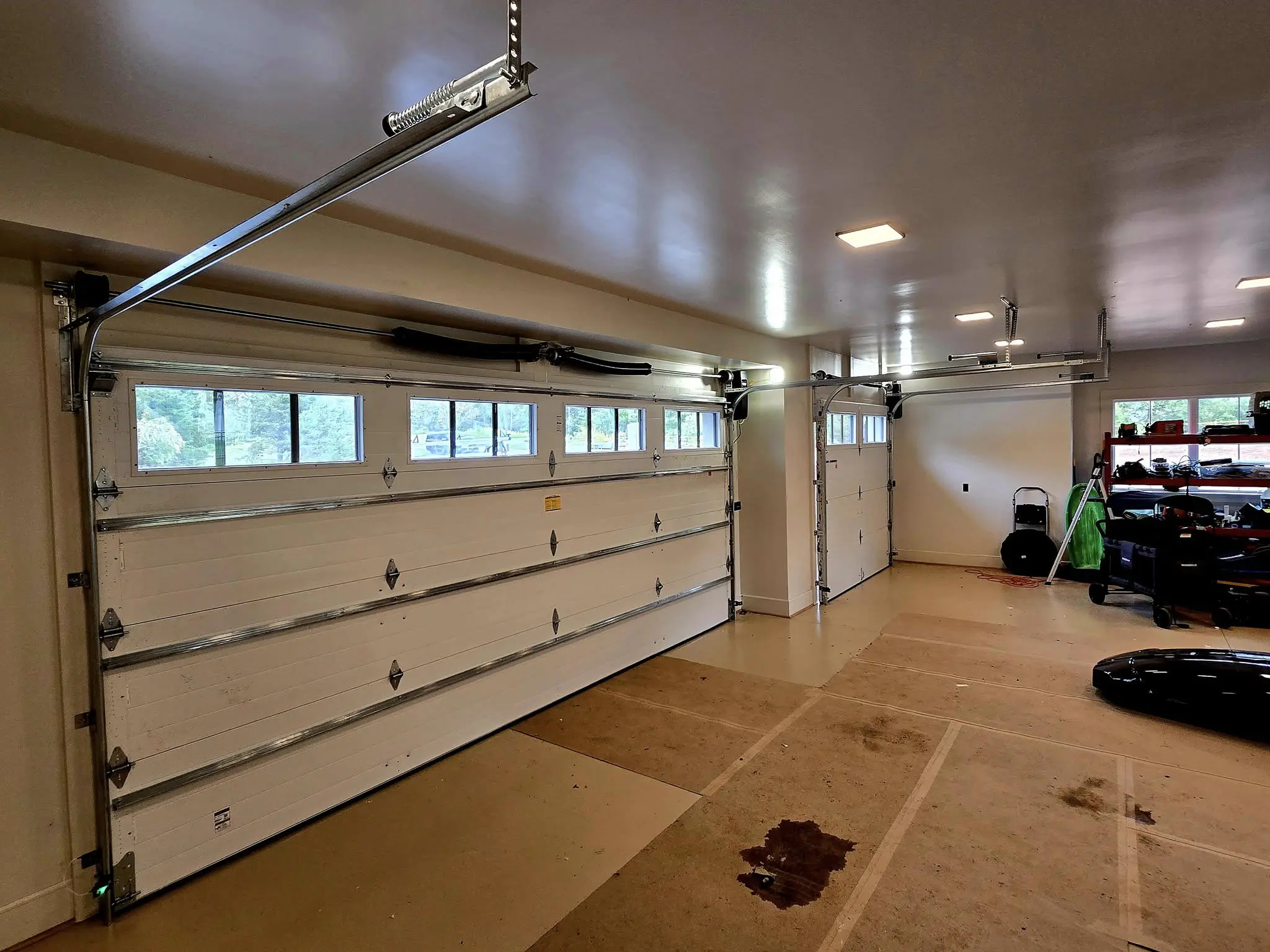
If your new door’s noise fits a settling pattern and is fading week by week, give it time. If it’s holding steady or getting louder, it has moved past normal break-in and into something your installer should check, often under warranty.
Aloha Garage Doors installs and services garage doors and openers for homeowners across Kingston, NH. If your new door still sounds off after checking these six causes, contact us today or give us a call to book a service call, and we’ll track down what’s causing it.